Braces Maintenance Cost: A Parent’s Budget Guide
June 29, 2026
Braces Maintenance Cost: A Parent’s Budget Guide
TL;DR:
- Braces maintenance costs include retainers, repairs, follow-up visits, and sometimes pre-treatment dental work. Family budgets should account for these ongoing expenses early, as they can add thousands over the course of treatment. Proper planning with transparent pricing and insurance understanding helps reduce unexpected bills and long-term costs.
Braces maintenance cost refers to all ongoing expenses required to keep orthodontic treatment effective, including retainers, emergency repairs, routine adjustments, and follow-up visits. Most families focus on the upfront price of braces and underestimate what comes after. The full cost of braces upkeep can add hundreds or even thousands of dollars to your total orthodontic budget. Understanding these expenses before treatment starts puts you in control of your family’s finances.
What are the main components of braces maintenance costs?
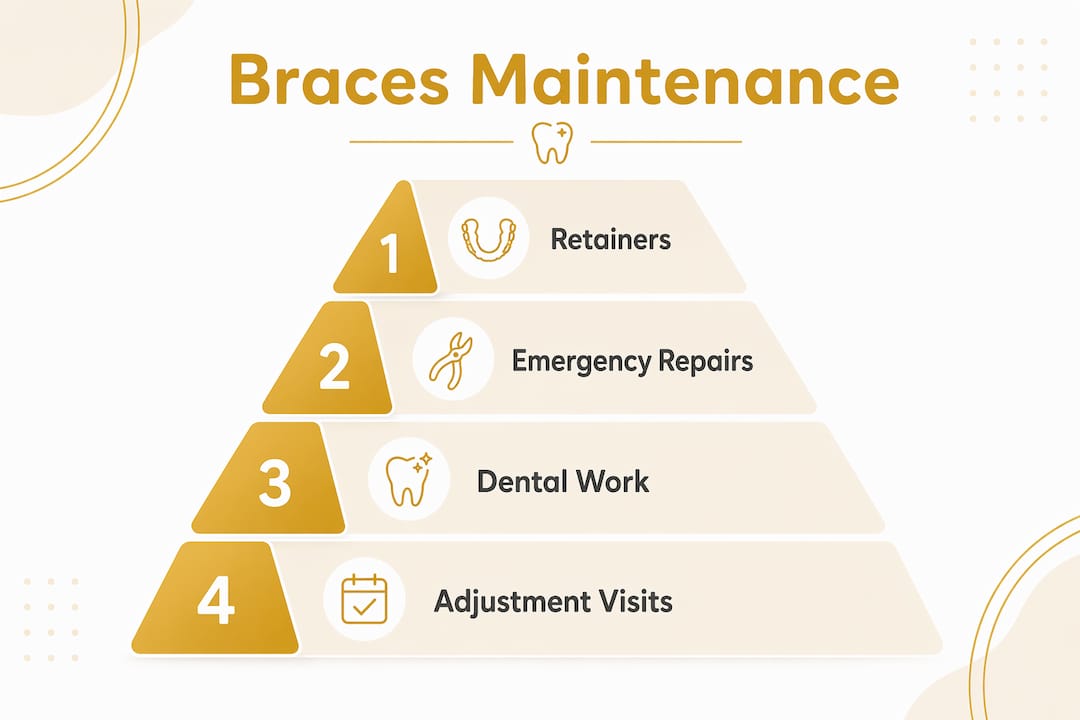
Orthodontic maintenance expenses fall into four clear categories: retainers, emergency repairs, pre-treatment dental work, and routine follow-up appointments. Each one carries its own price range, and skipping any of them can compromise your child’s results.
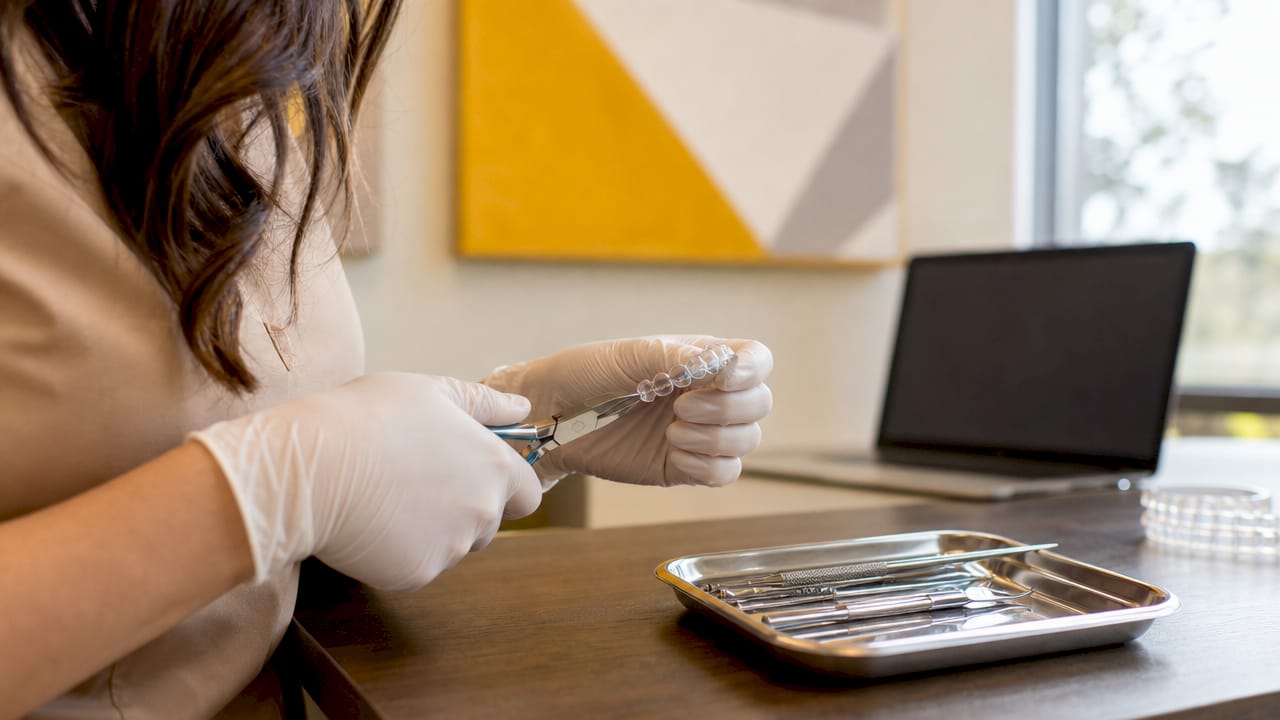
Retainers
Retainers are the single largest ongoing expense after braces come off. Clear retainers cost $100–$300 per arch and last 1–3 years. Hawley retainers run $150–$350 per arch and last 5–10 years. Permanent bonded retainers cost $250–$600, with repair visits running $75–$250 each. The type you choose directly affects how often you pay for replacements, so the upfront price is only part of the calculation.
Emergency repairs
Broken brackets, loose wires, and detached retainers are common, especially in active kids. Rebonding a detached retainer costs $75–$250 per visit. These visits are not always included in the original treatment fee. Confirming what your orthodontist covers before treatment starts prevents billing surprises later.
Pre-treatment dental work
Some children need fillings, extractions, or other dental procedures before braces can go on. These costs vary widely and are separate from the orthodontic fee. Reviewing your child’s dental health before preparing for braces gives you a clearer total budget from the start.
Routine adjustment appointments
Most orthodontists schedule adjustment visits every 4–8 weeks during active treatment. These are often bundled into the initial treatment fee, but not always. Ask your provider explicitly whether adjustments and retainer checks are included or billed separately.
| Maintenance component | Typical cost range |
|---|---|
| Clear retainer (per arch) | $100–$300 |
| Hawley retainer (per arch) | $150–$350 |
| Bonded retainer | $250–$600 |
| Emergency repair visit | $75–$250 |
| Routine adjustment (if separate) | $50–$150 per visit |
Pro Tip: Ask your orthodontist for a written list of every fee that is NOT included in your treatment contract. That one question can save you from unexpected bills.
How does insurance and payment options affect braces maintenance costs?
Dental insurance can meaningfully reduce your braces care budget, but coverage for maintenance is more limited than most families expect. Insurance may cover up to 50% of initial retainer costs. Replacement retainers, however, often face waiting periods and lifetime maximums that reduce or eliminate coverage. Reading your policy’s orthodontic rider carefully before treatment is the only way to know what you actually owe.
Flexible Spending Accounts (FSA) and Health Savings Accounts (HSA) are powerful tools for reducing net costs. FSA and HSA accounts provide effective discounts of 22–37% on qualifying orthodontic expenses. That includes retainers, repair visits, and most maintenance fees. Parents can learn more about using FSA for orthodontics to plan their pre-tax contributions before the benefit year starts.
Here are the most effective financing strategies for ongoing orthodontic costs:
- Verify your insurance benefits before the first appointment, not after. Ask specifically about retainer replacement waiting periods and lifetime caps.
- Contribute to an FSA or HSA at the start of each benefit year to cover predictable maintenance expenses with pre-tax dollars.
- Ask about in-office payment plans. Many practices offer monthly installments for total treatment costs, including maintenance.
- Request bundled pricing. Some offices include the first retainer, a set number of emergency visits, and follow-up appointments in one flat fee.
- Check braces insurance coverage details annually, since plan benefits can change at renewal.
Pro Tip: Call your insurance provider directly and ask: “Does my plan cover replacement retainers, and is there a waiting period?” The answer will shape your entire maintenance budget.
What hidden or surprise costs should families budget for?
The biggest financial surprises in orthodontic care come from expenses that are real but rarely discussed at the initial consultation. Families who know these risks in advance budget more accurately and stress less.
- Emergency visits not in the contract. Broken brackets and poking wires require prompt attention. If your treatment contract excludes orthodontic emergencies, each visit adds $75–$250 to your total.
- Lost or damaged retainers. Teens lose retainers regularly. A replacement costs the same as the original, and insurance rarely covers it a second time. Replacement retainers often cost as much as the first set, making loss prevention a real financial priority.
- Extended treatment time. If your child’s treatment runs longer than planned, additional adjustment visits accumulate. This is more common in complex cases and in adult patients.
- Pre-treatment dental work. Cavities, gum issues, or extractions required before braces placement add costs that are entirely outside the orthodontic fee.
- Retainer replacement after relapse. Teeth shift when retainers are not worn consistently. Retreatment to correct relapse can cost $2,000–$8,000, far more than the retainer itself.
Pro Tip: Request a written, itemized breakdown of every possible fee at your consultation. Dental pricing transparency is a standard you can and should expect from any reputable orthodontic practice.
How can parents effectively budget and save money on braces maintenance?
Smart budgeting for orthodontic maintenance expenses starts at the consultation, not after treatment ends. The choices you make early determine how much you spend over the full course of care.
Choosing the right retainer type is the first decision. Clear retainers are cheaper upfront but need replacing every 1–3 years. Hawley retainers cost more initially but last 5–10 years, making them more economical over time for families who plan to stay consistent with wear. Bonded retainers eliminate the loss risk entirely, though repair visits add up if the wire detaches.
Proper care dramatically extends retainer life. Avoiding heat exposure, storing retainers in a case, and cleaning them daily all reduce replacement frequency. A retainer left on a lunch tray or warped in a hot car is a $200 expense that could have been avoided.
Here are the most practical money-saving tips for families:
- Buy a backup retainer set upfront. Backup sets bundled at the start cost $100–$150, which is less than paying for a replacement individually later.
- Ask for an all-inclusive package that covers the first retainer, emergency visits, and follow-up checks in one fee.
- Use FSA or HSA funds for every maintenance expense, including retainer replacements and repair visits.
- Teach your child retainer habits early. Consistent nightly wear prevents relapse and eliminates the need for costly retreatment.
- Compare practice pricing structures before committing. Some offices charge per visit; others offer flat-fee maintenance plans that cost less overall.
Pro Tip: Ask at your first consultation: “Can I purchase a backup retainer set today at a discount?” Most practices will say yes, and you will save money the first time your child loses one.
How do braces maintenance costs differ for adults versus children and teens?
The cost of braces for adults is consistently higher than for children and teens, and the reasons are clinical, not arbitrary. Adults pay 10–20% more than teens for comparable orthodontic treatment. Adult bone density is higher, which slows tooth movement and extends treatment time. Longer treatment means more adjustment visits, more retainer wear time, and higher total maintenance costs.
Insurance coverage is another key difference. Most dental plans with orthodontic benefits cap coverage at age 18 or 19. Adults often pay entirely out of pocket for both treatment and maintenance. This makes FSA and HSA planning especially valuable for adult patients, and dental financing options become a practical necessity rather than a convenience.
Children and teens generally benefit from faster treatment, more insurance coverage, and lower per-visit fees. Families with multiple children in treatment at different ages face a layered cost profile. A teen finishing active treatment and needing retainers may overlap with a younger child just starting braces. Planning for both simultaneously, rather than reacting to each bill as it arrives, keeps the household budget manageable.
Adults with complex dental histories, including crowns, implants, or previous orthodontic work, face additional pre-treatment costs. These cases require more clinical time and often involve specialists beyond the orthodontist. Families considering orthodontic care for teens alongside adult treatment should request separate cost breakdowns for each patient to avoid conflating the two budgets.
Key takeaways
Braces maintenance cost is a long-term expense that includes retainers, emergency repairs, and follow-up care, and planning for it from day one protects both your child’s smile and your budget.
| Point | Details |
|---|---|
| Retainers are the top ongoing cost | Clear retainers run $100–$300 per arch; Hawley retainers last longer and cost more upfront. |
| Insurance covers less than expected | Replacement retainers often face waiting periods and lifetime caps that reduce reimbursement. |
| FSA and HSA reduce net costs | Pre-tax accounts provide effective discounts of 22–37% on qualifying orthodontic expenses. |
| Hidden costs are predictable | Emergency visits, lost retainers, and extended treatment are common and can be budgeted in advance. |
| Adults pay more than teens | Adult patients face 10–20% higher costs due to longer treatment and limited insurance coverage. |
The retainer is where most families get it wrong
After years of watching families navigate orthodontic costs, the pattern is consistent: the upfront braces fee gets full attention, and the retainer phase gets treated as an afterthought. That is the most expensive mistake in orthodontic budgeting.
Nightly retainer wear protects a $3,000–$7,000 investment in braces. Skipping it leads to relapse, and retreatment costs $2,000–$8,000. The retainer is not the end of treatment. It is the part that makes the treatment permanent. Families who understand this spend less over time, not more.
The second thing I have seen consistently is that transparent pricing at the consultation stage changes everything. Practices that hand you a written breakdown of every possible maintenance fee, including what is and is not included, produce families who budget accurately and show up for appointments consistently. Practices that keep fees vague produce families who feel blindsided and sometimes skip care to avoid costs. That skipped care always costs more in the end.
My honest advice: treat the retainer phase as permanent, buy a backup set on day one, and demand a written fee schedule before you sign anything. Those three steps eliminate most of the financial stress families associate with orthodontic maintenance.
— Juiced
Gloworthodontics makes maintenance costs clear from day one
Families in Langley, British Columbia trust Gloworthodontics because the pricing conversation happens at the consultation, not after the bill arrives. Gloworthodontics provides clear breakdowns of maintenance fees, including retainers and emergency repair coverage, so you know exactly what your braces care budget covers.

Gloworthodontics also coordinates with insurance providers and offers flexible payment options to reduce out-of-pocket costs for families at every stage of treatment. Whether your child is just starting braces or finishing up and moving into the retainer phase, the team builds a plan that fits your budget. Explore the complete teen orthodontic guide to see how Gloworthodontics supports families through every step of care, from first consultation to long-term retention.
FAQ
How much does braces maintenance cost per year?
Annual orthodontic maintenance expenses typically range from $200–$600, depending on retainer type, replacement frequency, and whether any emergency repairs are needed. Families who buy backup retainers upfront and practice good care habits tend to stay at the lower end of that range.
Does insurance cover retainer replacements?
Insurance may cover the first retainer at up to 50% of the cost, but replacement retainers often face waiting periods and lifetime maximums that limit or eliminate coverage. Always confirm replacement terms with your insurer before treatment starts.
What is the cheapest retainer option after braces?
Clear retainers are the lowest upfront cost at $100–$300 per arch, but they last only 1–3 years. Hawley retainers cost more initially but last 5–10 years, making them more affordable over the long term for patients who wear them consistently.
Can FSA or HSA funds pay for braces maintenance?
Yes. Retainers, emergency repair visits, and most orthodontic maintenance fees qualify for FSA and HSA spending. Using pre-tax accounts provides an effective discount of 22–37% on those expenses.
Why do adults pay more for orthodontic maintenance than teens?
Adults pay 10–20% more due to higher bone density, longer treatment timelines, and more complex dental histories. Most insurance plans also cap orthodontic benefits at age 18 or 19, leaving adult patients to cover more costs out of pocket.