Children Sports Activities with Braces: A Parent’s Guide
June 28, 2026
Children Sports Activities with Braces: A Parent’s Guide
TL;DR:
- Children with braces can participate safely in most sports when they wear the correct protective gear. Most activities, such as swimming and cycling, pose minimal risk and require only a mouthguard. For contact sports, a custom orthodontic mouthguard is essential for safety and appliance protection.
Children with braces can safely participate in most sports activities when they use the right protective gear and follow a few clear guidelines. The key distinction orthodontists make is between non-contact sports, which carry minimal risk, and contact sports, which require an orthodontic mouthguard at all times. Braces do not end your child’s athletic life. With the correct precautions in place, kids aged 7–12 can stay active, competitive, and on track with their orthodontic treatment at the same time. Gloworthodontics works with active families every day to make that balance work.
1. Best children sports activities with braces
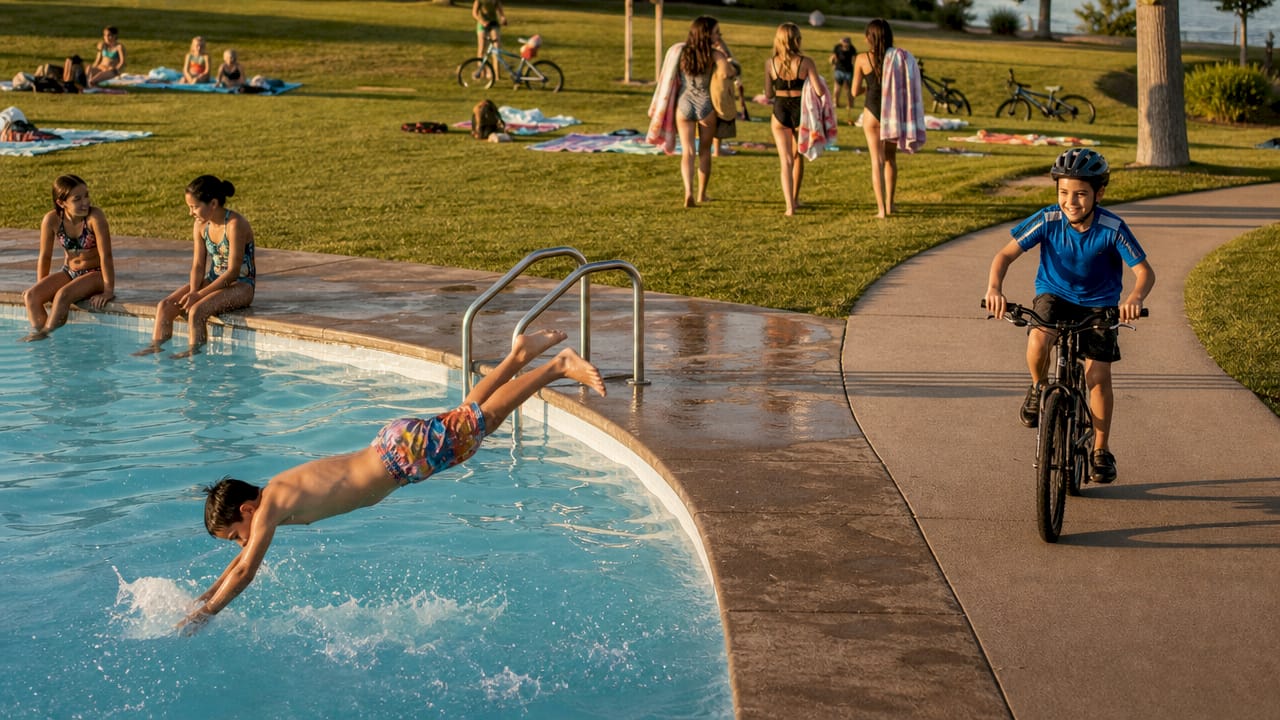
Swimming and cycling are the top recommended sports for children wearing braces. Both are non-contact activities, which means the risk of a ball, elbow, or hard surface hitting the mouth is very low. That makes them ideal for kids in any phase of orthodontic treatment.
Running, track and field, gymnastics, and martial arts with proper headgear also fall into the lower-risk category. These activities keep kids physically active without putting brackets and wires in the path of direct impact. Parents can feel confident letting their child participate without extra worry.
Tennis and baseball sit in the moderate-risk category. Both involve fast-moving objects, but the mouth is rarely in the direct line of impact. A well-fitted orthodontic mouthguard makes both sports safe for braces wearers.
Football, hockey, lacrosse, and wrestling carry the highest contact risk. Kids can still play these sports safely with braces, but a custom orthodontic mouthguard is non-negotiable. Parents should also check that helmets and face shields fit correctly before every game.
Pro Tip: If your child plays a contact sport, bring a spare orthodontic wax and a small mirror to every game. Quick fixes on the sideline can prevent a minor wire issue from becoming an emergency.
2. Protective gear and mouthguards for kids with braces
The right mouthguard is the single most important piece of equipment for any child with braces who plays sports. Standard mouthguards are not designed for braces. Orthodontic mouthguards have deeper and wider channels that fit over brackets without locking onto them. That design difference matters a great deal.
A regular boil-and-bite guard can grip the brackets tightly. When the child removes it, the guard can pull on the brackets and cause pain or appliance damage. Orthodontic-specific mouthguards prevent this by accommodating the wire and bracket bulk with a purpose-built design.
Here is a clear comparison of the two main options:
| Feature | Boil-and-bite guard | Custom orthodontic guard |
|---|---|---|
| Fit over brackets | Poor, can lock onto brackets | Designed with space for brackets |
| Comfort | Often bulky and loose | Tailored to child’s mouth |
| Protection level | Basic | High |
| Cost | Lower upfront | Higher upfront, better long-term value |
| Refitting needed | Rarely accounted for | Built into treatment schedule |
Custom guards are made from dental impressions. That means the guard fits the exact shape of your child’s mouth, including the brackets and current wire position. Mouthguards need periodic refitting as teeth shift during treatment. A guard that fit perfectly at the start of the season can become loose or uncomfortable within a few months.
Pro Tip: Schedule a mouthguard check at every orthodontic appointment. Teeth move faster than most parents expect, and a loose guard offers far less protection than a well-fitted one.
One more note for families considering clear aligners: aligners are removed during sports and replaced with a regular custom-fitted mouthguard during athletic activity. This is a practical advantage of aligner treatment for very active kids.
3. Safety tips for playing sports comfortably with braces
Following a clear set of rules keeps both the braces and your child safe during physical activities.
-
Wear the mouthguard at every practice and every game. Consistent mouthguard use significantly reduces the risk of appliance damage and oral injuries. Practices carry the same collision risk as games. Skipping the guard at practice is where most injuries happen.
-
Check the mouthguard fit before each season. Teeth move throughout orthodontic treatment. A guard that fit in september may not fit well in january. Bring it to your child’s next orthodontic appointment for a quick check.
-
Clean the mouthguard after every use. Rinse it with cool water and mild soap. Store it in a ventilated case. Never leave it in a hot car or direct sunlight, as heat warps the material and ruins the fit.
-
Avoid high-risk behaviors on the field. Teach your child not to remove the mouthguard mid-play or chew on it during breaks. Both habits damage the guard and reduce its protective value.
-
Keep an orthodontic emergency kit in the sports bag. Include orthodontic wax, a small mirror, dental floss, and the orthodontist’s phone number. Quick access to these items handles most minor issues on the spot.
-
Schedule regular orthodontic check-ins. Parents who consult their orthodontist regularly catch small problems before they become treatment delays. Monthly appointments are standard, but call sooner if something feels off after a game.
Reviewing your child’s braces hygiene routine alongside their sports schedule helps catch food and debris that can collect around brackets after outdoor activities.
4. How to manage orthodontic emergencies during sports
Orthodontic emergencies during sports are more common than most parents expect. Knowing what to do in the first few minutes prevents a minor incident from becoming a serious problem.
- Broken or loose bracket: Do not try to remove it. Press it gently back against the tooth if it has shifted. Cover any sharp edge with orthodontic wax to protect the cheek and gum tissue.
- Poking wire: Use a clean pencil eraser to push the wire end gently toward the tooth. If it will not move, cover it with orthodontic wax. Never cut the wire with household scissors.
- Mouth injury with bleeding: Rinse the mouth gently with warm saltwater. Apply light pressure with clean gauze. Applying orthodontic wax on sharp edges and rinsing with saltwater reduces tissue injury before professional repair is possible.
- Knocked-out tooth: Place the tooth in milk or the child’s saliva and get to a dentist within 30 minutes. This is a dental emergency.
- Severe appliance damage or uncontrolled bleeding: Seek emergency dental care immediately. Delays worsen the injury and can extend the total orthodontic treatment time.
The Gloworthodontics orthodontic emergencies guide covers each of these scenarios in detail and helps parents know exactly when to call versus when to wait for the next scheduled appointment.
Key takeaways
Children with braces can stay fully active in sports when they use orthodontic-specific mouthguards and follow consistent safety habits.
| Point | Details |
|---|---|
| Non-contact sports are lowest risk | Swimming, cycling, and running pose minimal threat to braces and require no special gear beyond a mouthguard. |
| Custom mouthguards outperform boil-and-bite | Custom guards fit over brackets without locking on, reducing pain and appliance damage during removal. |
| Refitting is required throughout treatment | Teeth shift during orthodontic treatment, so mouthguards must be checked and refitted periodically. |
| Mouthguards belong at practice too | Injuries happen at practice as often as at games; consistent wear is the only reliable protection. |
| Emergency prep prevents treatment delays | Orthodontic wax, saltwater rinses, and prompt professional care stop minor sports injuries from extending treatment. |
What I’ve learned from watching active kids thrive with braces
The parents who worry most about their child playing sports with braces are usually the ones who have never seen it done well. Once they see the right setup in action, the anxiety drops fast.
The single biggest mistake I see is parents buying a standard boil-and-bite guard from a pharmacy and assuming it will do the job. It will not. The guard locks onto the brackets, the child hates wearing it, and eventually stops using it entirely. Then the injury happens. A custom orthodontic guard changes the whole experience. Kids actually wear them because they are comfortable.
The second thing I have noticed is that parents underestimate how quickly teeth move. A mouthguard that fits in october can be noticeably loose by january. That loose fit gives parents false confidence. The guard looks fine, but it is no longer doing its job. Building a mouthguard check into every orthodontic visit costs nothing and prevents a lot of problems.
My honest advice: do not let braces sideline your child. The right mouthguard tips and a consistent routine make sports participation safe and straightforward. The kids I see who stay active during treatment tend to handle the whole orthodontic process better. Sports give them confidence, and confidence makes them better patients.
— Juiced
Gloworthodontics supports active kids at every stage of treatment
Active children deserve orthodontic care that fits their lifestyle, not the other way around. Gloworthodontics works with families in the Langley area to provide custom mouthguards, personalized treatment plans, and practical guidance for kids who play sports.

Whether your child is just starting treatment or is midway through, a quick consultation covers mouthguard fitting, sport-specific safety recommendations, and what to do if something breaks during a game. The orthodontic care guide for teens is a strong starting point for families managing active schedules alongside braces. Gloworthodontics makes it easy to book an appointment online and get the answers your family needs.
FAQ
Can kids with braces play contact sports?
Kids can play contact sports with braces safely when they wear a properly fitted orthodontic mouthguard. Custom guards designed for braces provide the best protection and comfort.
What type of mouthguard is best for braces?
A custom-made orthodontic mouthguard is the best option. It is built from a dental impression with extra space for brackets and wires, unlike standard boil-and-bite guards that can lock onto brackets and cause damage.
How often should a mouthguard be replaced during orthodontic treatment?
Mouthguards should be checked at every orthodontic appointment because teeth shift during treatment and can make a previously well-fitted guard loose or ineffective within a few months.
What should I do if my child’s braces break during a game?
Cover any sharp bracket or wire with orthodontic wax, rinse the mouth with warm saltwater, and contact your orthodontist as soon as possible. If bleeding is uncontrolled or damage is severe, seek emergency dental care right away.
Are there sports kids with braces should avoid entirely?
No sport requires a complete ban, but high-contact sports like wrestling and hockey demand a custom orthodontic mouthguard and proper protective headgear every time. Non-contact sports like swimming and cycling carry the lowest risk and need only basic precautions.