Gentle Orthodontic Techniques for Children: Parent’s Guide
July 18, 2026
Gentle Orthodontic Techniques for Children: Parent’s Guide
TL;DR:
- Gentle orthodontic techniques guide children’s jaw and teeth development with minimal discomfort by using light, controlled forces. Starting early with screening at age 7 allows for interceptive treatment that can prevent more invasive procedures later. These methods improve long-term oral health, bite function, and self-esteem while reducing the need for extractions.
Gentle orthodontic techniques for children are proactive treatments that use light, controlled forces to guide jaw and teeth development with minimal discomfort. In clinical terms, this approach is called interceptive orthodontics or Phase 1 treatment. The American Association of Orthodontists recommends a first screening by age 7, when the jaw is still growing and small corrections can prevent major problems later. Starting early means your child gets the most effective care with the least disruption to their daily life.
1. Gentle orthodontic techniques children benefit from most
The most effective child-friendly orthodontic methods work with your child’s natural growth, not against it. Each technique below targets a specific developmental need while keeping discomfort low.
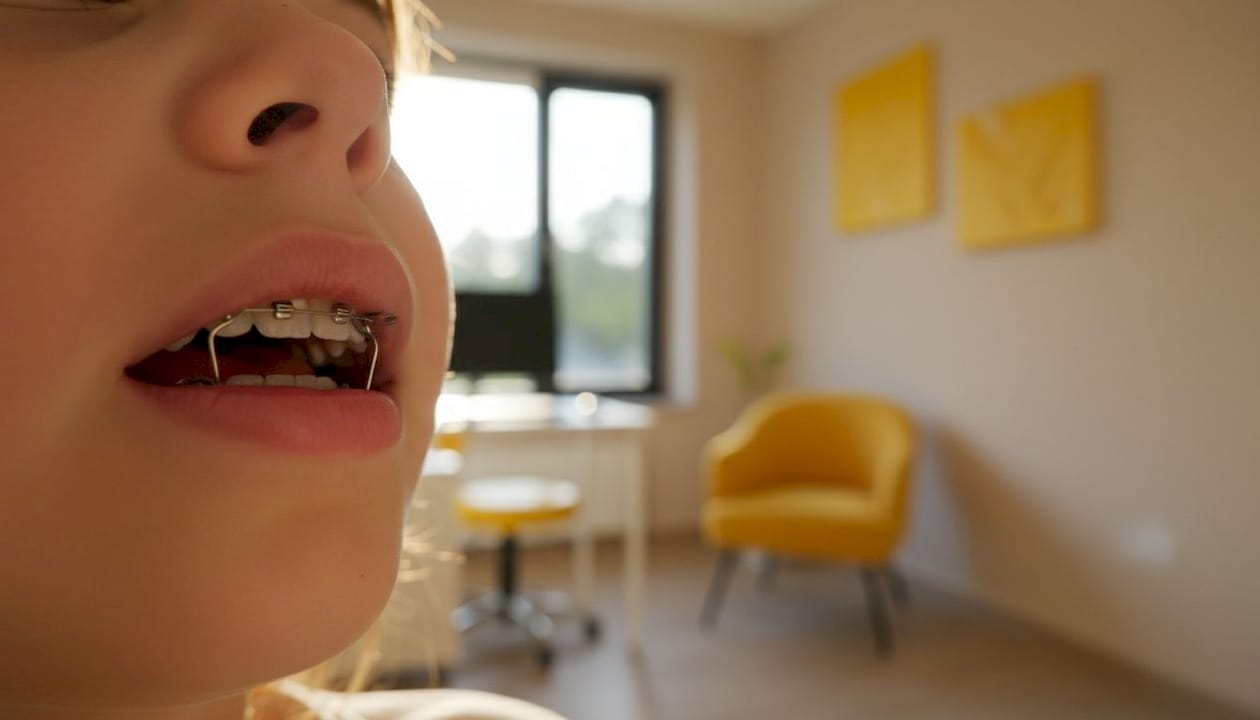
Palatal expanders
A palatal expander widens the upper jaw gradually over several months. The device applies gentle, steady pressure to the midpalatal suture, which remains flexible in children aged 7–12. Widening the arch creates space for permanent teeth and often eliminates the need for extractions later. Parents turn a small key in the device once daily, making the process predictable and controlled.
Clear aligners designed for children
Invisalign First is specifically built for children aged 6–10 with erupting teeth. It includes compliance indicators that change color to show wear time, which helps parents monitor treatment without guesswork. The aligners are removable, so brushing and eating stay normal. This makes them one of the most practical non-invasive orthodontic methods for younger patients.
Partial braces with light-force wires
Modern partial braces use nickel-titanium alloy wires that apply gentle, continuous pressure activated by body heat. These wires do far less work than the stiff steel wires used decades ago. Brackets are placed only on the teeth that need correction during Phase 1, reducing the overall hardware in your child’s mouth.
Habit appliances
Thumb sucking and tongue thrusting can reshape the jaw and push teeth out of alignment. Habit appliances are small fixed or removable devices that interrupt these patterns without pain. Stopping a harmful habit early often prevents the need for more complex treatment later.
Growth guidance appliances
Functional appliances like the Herbst appliance or twin block work by repositioning the lower jaw to encourage balanced growth. They are most effective during the active growth window between ages 7 and 10. These devices are a core part of interceptive orthodontic care, which focuses on guiding development rather than correcting problems after they are fully formed.
Pro Tip: Ask your orthodontist whether your child needs a fixed or removable appliance. Removable options work well for motivated children, while fixed appliances guarantee consistent force without relying on your child to remember.
2. How gentle orthodontic adjustments work
A gentle orthodontic adjustment is a short appointment where the orthodontist checks progress, replaces or tightens wires, and makes small changes to keep teeth moving on schedule. Understanding what happens at each visit helps parents prepare their children and reduce anxiety.
- Check-in and visual exam. The orthodontist examines tooth movement since the last visit and compares it to the treatment plan.
- Wire or aligner change. For braces, the wire is swapped for the next size in the sequence. For aligner patients, the next tray in the series is confirmed and dispensed.
- Bracket or attachment adjustment. Brackets may be repositioned, and attachments on aligners may be added or removed.
- Bite check. The orthodontist checks how the upper and lower teeth meet and adjusts accordingly.
- Next appointment scheduled. Visits during active Phase 1 treatment are typically every 4–6 weeks. Later stages may extend to every 6–10 weeks.
Each appointment lasts 20–40 minutes. Mild soreness or pressure for 1–3 days after an adjustment is normal and signals that teeth are moving correctly. It is not a sign that something is wrong.
Pro Tip: Schedule adjustment appointments for a Friday afternoon when possible. Your child can rest over the weekend while any mild soreness fades, and school days are not affected.
Helping your child cope with post-adjustment soreness is straightforward. Soft foods like yogurt, mashed potatoes, and smoothies reduce chewing pressure. A children’s dose of ibuprofen or acetaminophen, taken as directed, manages discomfort effectively. Cold water or a chilled cloth against the cheek also provides relief. For more guidance on managing your child’s first weeks with an appliance, the family braces adjustment guide at Gloworthodontics covers the process step by step.
3. Long-term benefits of early, gentle orthodontic treatment
Early treatment produces results that go well beyond straight teeth. The benefits compound over time, making Phase 1 one of the highest-value investments in your child’s health.
- Shorter or simpler Phase 2 treatment. Correcting jaw width and bite issues early means less work for braces or aligners during the teen years.
- Fewer extractions. Interceptive orthodontics focuses on creating space naturally, reducing the likelihood that permanent teeth will need to be removed.
- Healthier jaw and airway development. Airway-focused evaluations during early treatment identify breathing restrictions that contribute to crowding and narrow arches. Addressing these early can reduce treatment intensity overall.
- Better bite function. Correcting crossbites and overbites during growth prevents uneven wear on teeth and jaw joint strain in adulthood.
- Improved confidence. Children who address visible dental issues during their developmental years report higher self-esteem. A straighter smile during ages 8–12 can meaningfully reduce social anxiety at school.
- Prevention of complex problems. Teeth that erupt into a well-prepared arch are far less likely to become severely impacted or misaligned.
“Gentle orthodontic care during childhood is not about rushing treatment. It is about using the growth window wisely so that the child’s own biology does most of the work. When timed correctly, early intervention often makes the teenage phase of treatment shorter, simpler, and more comfortable for everyone involved.”
For parents thinking about fixing crooked teeth before problems worsen, early evaluation is the clearest first step.
4. When gentle orthodontic techniques are most recommended
Not every child needs treatment at age 7. The goal of an early screening is to identify who benefits from acting now versus who benefits from careful monitoring.
| Sign or condition | Recommended age range | Typical gentle approach |
|---|---|---|
| Crossbite (upper teeth inside lower) | 7–9 | Palatal expander or functional appliance |
| Severe crowding | 8–10 | Palatal expander to create arch space |
| Protruding upper front teeth | 7–10 | Growth guidance appliance or partial braces |
| Thumb sucking past age 6 | 6–8 | Habit appliance |
| Narrow arch with breathing issues | 7–10 | Airway-focused expansion therapy |
Timing matters because the jaw is most responsive to gentle guidance during active growth. Early consultations frequently result in a monitoring plan rather than immediate treatment. That outcome is not a failure. It means the orthodontist has confirmed your child’s development is on track and will intervene only when the timing is right.
Airway health plays a larger role in orthodontic planning than most parents expect. Children who breathe through their mouths at night often develop narrow arches and crowded teeth. Identifying this pattern early allows the orthodontist to address the root cause, not just the symptoms. For a broader look at how appliance choices affect comfort and compliance, the clear aligners vs. braces comparison at Gloworthodontics breaks down the key differences clearly.
Comfort preferences also vary between children. Some do better with removable aligners because they find fixed hardware uncomfortable. Others need fixed appliances because they will not wear a removable device consistently. A good orthodontist assesses both the clinical need and the child’s personality before recommending an approach. Pediatric orthodontic care at its best is always individualized. For context on how pediatric dental evaluations connect to orthodontic timing, children’s dental care guidelines from R&H Dental offer a useful reference point.
Key Takeaways
Gentle orthodontic techniques for children work best when started between ages 7 and 10, using light-force appliances that guide natural jaw growth and prevent the need for more invasive treatment later.
| Point | Details |
|---|---|
| Start screening by age 7 | The American Association of Orthodontists sets age 7 as the recommended first evaluation. |
| Phase 1 uses light forces | Nickel-titanium wires and growth appliances apply gentle pressure that minimizes soreness. |
| Adjustments are short and manageable | Appointments last 20–40 minutes, with mild soreness lasting only 1–3 days. |
| Early care prevents bigger problems | Interceptive treatment reduces the need for extractions and shortens teen-phase treatment. |
| Monitoring is a valid outcome | Many early consultations result in a watch-and-wait plan, not immediate appliances. |
What I’ve learned from watching children go through Phase 1 treatment
Parents often arrive at a first consultation expecting to leave with a treatment plan and a start date. What surprises them most is hearing the orthodontist say, “Let’s watch for six months.” That recommendation is not a delay. It is the most child-centered decision an orthodontist can make.
The children who adapt best to gentle orthodontic care are the ones whose parents stayed calm and curious during the process. When a parent frames an adjustment appointment as routine, the child treats it as routine. When a parent expresses anxiety in the waiting room, the child picks it up immediately. The clinical technique matters, but the environment around it matters just as much.
I have also noticed that parents who ask about airway health during early consultations tend to get more complete treatment plans. Most orthodontists will not bring it up unless prompted, but breathing patterns directly affect how teeth and jaws develop. Asking “Could my child’s breathing be contributing to this?” opens a conversation that changes outcomes.
The philosophy behind interceptive orthodontic care is worth understanding before you choose a provider. Providers who prioritize growth guidance over appliance sales tend to recommend treatment only when the timing genuinely benefits the child. That distinction is worth asking about directly.
— Juiced
Gloworthodontics offers gentle, child-centered orthodontic care
Gloworthodontics specializes in Phase 1 and early orthodontic treatment for children in the Langley, British Columbia area. The team uses modern, light-force appliances including Invisalign First and nickel-titanium wire braces to keep treatment comfortable and effective from the first appointment forward.

Complimentary consultations are available for families who want a professional evaluation without any pressure to start treatment immediately. Every child receives a personalized assessment that considers jaw development, airway health, and individual comfort needs. The complete guide to orthodontic care for children and teens at Gloworthodontics walks families through every stage of the process, from first screening to final retention.
FAQ
What is a gentle orthodontic adjustment?
A gentle orthodontic adjustment is a short appointment, typically 20–40 minutes, where the orthodontist makes small changes to wires, aligners, or appliances to keep teeth moving with minimal discomfort. Mild soreness for 1–3 days afterward is normal and expected.
At what age should my child have a first orthodontic screening?
The American Association of Orthodontists recommends a first screening by age 7. This timing allows the orthodontist to identify jaw and bite issues while the child is still in active growth, making gentle correction more effective.
Are clear aligners a good option for young children?
Invisalign First is designed specifically for children aged 6–10 with erupting teeth. It includes compliance indicators and accommodates ongoing tooth development, making it a practical option for Phase 1 treatment in motivated children.
How do I know if my child needs treatment now or just monitoring?
An orthodontist evaluates jaw width, bite alignment, crowding, and airway health to determine timing. Many early consultations result in a monitoring plan rather than immediate treatment, which is a normal and appropriate outcome.
Can gentle orthodontic treatment prevent tooth extractions?
Interceptive orthodontics focuses on creating arch space naturally during jaw growth, which significantly reduces the likelihood that permanent teeth will need to be extracted later. Early palatal expansion is the most common technique used for this purpose.