What to Eat When You Have Braces: A Clear Guide
June 25, 2026
What to Eat When You Have Braces: A Clear Guide
TL;DR:
- Eating soft foods like yogurt, smoothies, and mashed potatoes during the first days after braces help protect hardware and reduce soreness.
- Hard and sticky foods damage brackets and wires, so they should be avoided throughout orthodontic treatment.
Knowing what to eat when you have braces is the difference between a smooth orthodontic experience and a broken bracket at dinner. Braces-friendly eating, the practice of choosing foods that protect your orthodontic hardware while keeping you nourished, is not about deprivation. It is about making smart choices at each stage of treatment. Soft, gentle foods protect your brackets and wires, ease soreness after adjustments, and reduce your risk of cavities. This guide covers the best foods to eat, the ones to avoid, and how to prepare everyday favorites so they work for you, not against your braces.
What to eat when you have braces: the first days after placement
The first 3–5 days after getting braces are the hardest on your mouth. Soreness peaks early because your teeth are adjusting to new pressure, and chewing anything firm feels uncomfortable. Your braces food list during this window should focus entirely on soft textures that require almost no chewing force.
The best foods to eat with braces in those first days include:
- Yogurt (plain or flavored, no crunchy mix-ins)
- Mashed potatoes (smooth, not chunky)
- Smoothies (blended fruit, protein powder, or nut butter work well)
- Oatmeal (cooked soft, not steel-cut)
- Scrambled eggs (low heat, fluffy texture)
- Soup (broth-based or blended; avoid chunky vegetable pieces)
- Applesauce (a better option than whole apples at this stage)
- Soft pasta (cooked past al dente)
- Pudding or gelatin (great for satisfying a sweet craving safely)
- Soft cheese (ricotta, cottage cheese, or brie)
Each of these options delivers real nutrition without putting stress on your brackets or wires. The goal is to return to a normal diet within 1–2 weeks as soreness fades, but never rush that timeline after an adjustment appointment.
Pro Tip: Layer yogurt with soft berries like blueberries or raspberries for variety. Both are gentle on brackets and add vitamins without any chewing risk.
For a more detailed breakdown of what works best in week one, the first week braces guide from Gloworthodontics covers the adjustment process step by step.
What can you not eat with braces? Foods that damage braces
The braces eating list of foods to avoid is not arbitrary. Each category causes a specific type of damage to your orthodontic hardware.
Hard and crunchy foods crack brackets or bend wires:
- Nuts and seeds
- Hard candies and lollipops
- Popcorn (kernels are the real danger)
- Ice (chewing it is one of the fastest ways to break a bracket)
- Raw carrots and celery eaten whole
- Bagel crusts and hard bread rolls
Sticky and chewy foods pull brackets off teeth and are nearly impossible to clean from hardware:
- Caramel and toffee
- Gummy candies and fruit snacks
- Taffy and chewing gum
- Dried fruit like raisins or mango strips
Foods that require aggressive biting put direct force on front brackets, which are the most vulnerable:
- Whole apples and pears
- Corn on the cob
- Ribs and chicken wings eaten off the bone
Sticky foods are riskier than most patients expect. They adhere to brackets and wires, promote plaque buildup, and can physically pull hardware loose over time.
Sugary and acidic foods carry a separate risk. Frequent sugar and acid exposure around brackets increases cavity and white spot lesion risk by etching enamel and trapping plaque. Soda, sports drinks, citrus juice, and candy all fall into this category. Limiting how often you consume them matters more than avoiding them entirely.
Pro Tip: Read ingredient labels on packaged snacks. If the first few ingredients include corn syrup, sugar, or tapioca syrup, the food is likely sticky enough to cause bracket damage.
How to safely prepare fruits, vegetables, and proteins
Softness and texture matter more than food category. Many foods become braces-safe when cooked or sliced correctly. This is the most practical insight for patients who want to maintain a nutritious, varied diet throughout treatment.
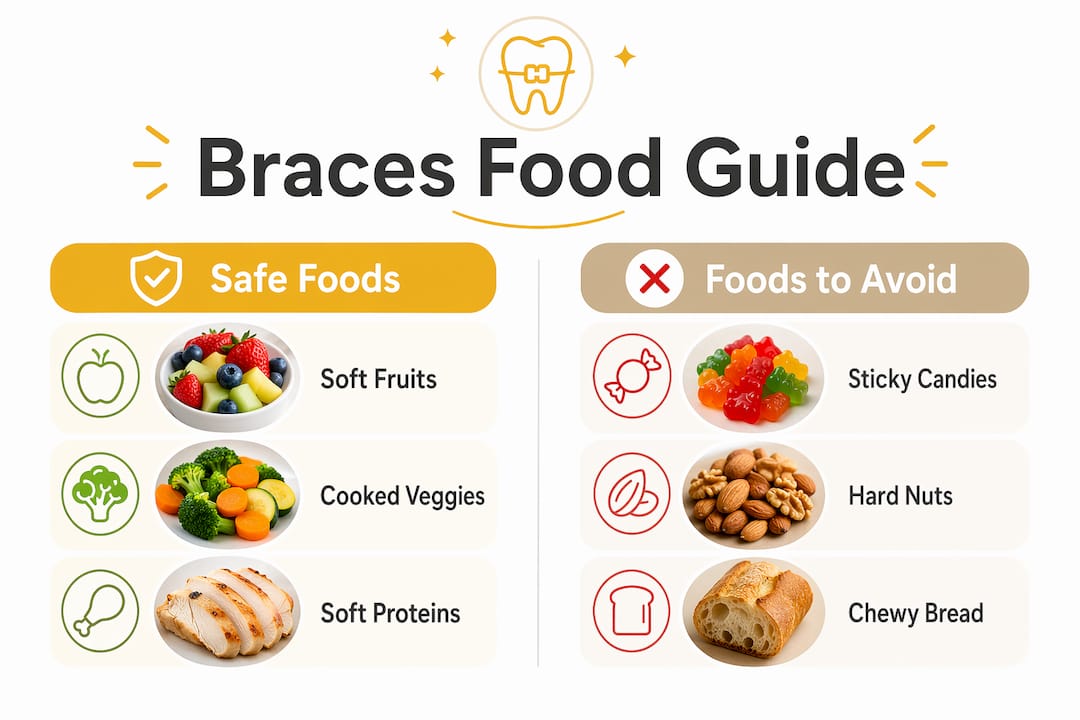
Fruits and vegetables
Follow this order of preparation methods, from safest to riskiest:
- Steam or roast until soft. Carrots, broccoli, zucchini, and sweet potatoes all become bracket-safe when cooked until tender.
- Slice thin. Cutting apples into thin slices removes the need to bite into them with front teeth. The same applies to pears and peaches.
- Remove from the cob. Corn is perfectly safe when cut off the cob before eating.
- Blend. Spinach, kale, and berries go into smoothies without any chewing risk.
- Avoid raw and whole. Raw apples, whole carrots, and unpeeled pears eaten without preparation are the most common causes of bracket damage from produce.
Proteins
| Protein | Safe preparation | Avoid |
|---|---|---|
| Chicken | Shredded or slow-cooked | Grilled breast eaten in large bites |
| Eggs | Scrambled or soft-boiled | Hard-boiled eaten whole |
| Fish | Baked until flaky | Fried with a crunchy coating |
| Tofu | Soft or silken variety | Extra-firm cubed and pan-fried |
| Legumes | Well-cooked lentils or hummus | Whole roasted chickpeas |
Soft proteins like scrambled eggs, shredded chicken, tofu, and fish provide full nutrition without putting stress on brackets. The key is preparation, not the protein itself.
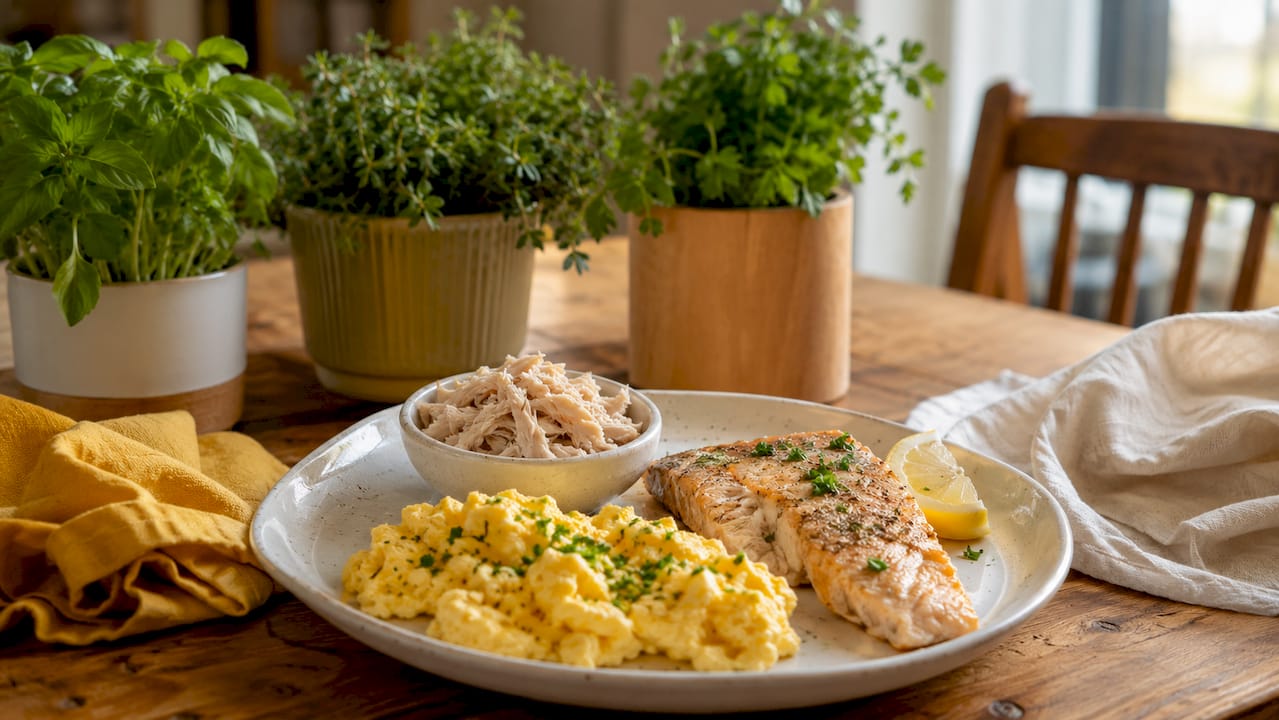
Pro Tip: Cut all food into smaller pieces than you think you need. Smaller bites reduce the pressure on individual brackets and make chewing with your back teeth much easier.
Chewing with your back teeth directs force away from front brackets, which are the most likely to dislodge. Make this a habit from day one.
How to expand your diet safely as soreness decreases
After the first 1–2 weeks, soreness typically fades and you can begin reintroducing more variety. Gradual reintroduction works best when you prioritize softer preparations, smaller bites, and careful chewing rather than jumping back to your pre-braces diet.
Practical steps for expanding your braces eating list safely:
- Test one new food at a time. If a food causes discomfort or you feel a bracket shift, stop immediately.
- Keep portion sizes small. Large bites increase the chance of biting down unevenly on a bracket.
- Continue avoiding the permanent no-list. Hard candies, gummy snacks, popcorn, and ice stay off the menu for the full duration of treatment, not just the first weeks.
- Soften where possible. Toast can become soft bread. Raw vegetables can become roasted ones. The food category does not have to change, only the preparation.
- Check your mouth after every meal. Food trapped around brackets is one of the most common causes of irritation and decay during orthodontic treatment. A quick rinse and mirror check takes 30 seconds.
Oral hygiene becomes more important, not less, as your diet expands. Brushing after meals and using a floss threader or water flosser removes debris that a standard brush cannot reach around wires. The braces brushing guide from Gloworthodontics walks through the correct technique step by step.
Planning meals ahead of adjustments reduces discomfort and protects hardware. Stock your kitchen with soft foods the day before every appointment so you are not scrambling when soreness hits.
For snack ideas that satisfy cravings without risking your brackets, the braces-friendly snack list from Gloworthodontics offers ten options for every type of craving.
Key takeaways
Eating with braces is manageable when you understand which foods protect your hardware and which ones put it at risk.
| Point | Details |
|---|---|
| Soft foods first | Stick to yogurt, smoothies, mashed potatoes, and eggs for the first 3–5 days after placement or adjustment. |
| Permanent foods to avoid | Hard candies, gummy snacks, popcorn, ice, and sticky foods stay off the menu for the full treatment period. |
| Preparation changes everything | Slicing, cooking, and blending turn many off-limits foods into safe, nutritious options. |
| Chewing technique matters | Use back teeth for chewing and avoid biting into foods with front teeth to protect brackets. |
| Oral hygiene after meals | Check for trapped food around brackets after every meal to prevent irritation and cavities. |
What I have seen work for patients who struggle with food restrictions
The patients who handle braces best are not the ones who never crave pizza or popcorn. They are the ones who plan ahead and get creative with preparation. I have seen patients go through 18 months of treatment without a single broken bracket, not because they ate perfectly, but because they thought about food before it was in front of them.
The most common mistake is treating the first week as the only hard week. Soreness fades, but the mechanical risks from hard and sticky foods never do. A caramel at month six breaks a bracket just as easily as one on day two. Patients who internalize that reality early protect their investment in treatment.
The other thing I tell patients: do not underestimate how often food gets trapped around brackets. Most people check once a day at best. The frequency of sugar and acid exposure around brackets is what drives cavity risk, not a single sugary meal. Rinsing after every meal and brushing twice daily makes a measurable difference in outcomes.
Cravings are real. When a patient tells me they are struggling, I ask them what they miss most and we find a braces-safe version together. Craving chips? Try baked puffs or soft crackers. Craving something chewy? Soft mochi or banana bread satisfies without the sticky risk of gummy candy. The restriction is real, but it is never as absolute as it feels in week one.
— Juiced
Orthodontic support at Gloworthodontics

Gloworthodontics serves families and individuals in Langley, British Columbia, with personalized orthodontic care that goes beyond fitting brackets. The team provides patient education on diet, hygiene, and adjustment management so you feel confident at every stage of treatment. Whether you are navigating the first week or approaching the end of your treatment, the teen orthodontic care guide covers diet, hygiene, and lifestyle in one place. Scheduling a consultation gives you direct access to personalized advice on what works for your specific treatment plan and lifestyle.
FAQ
What soft foods are best right after getting braces?
Yogurt, mashed potatoes, smoothies, scrambled eggs, oatmeal, and soup are the best options for the first 3–5 days. These foods require minimal chewing and put no stress on new brackets or wires.
Can you eat pizza with braces?
Soft pizza with a thin, well-cooked crust is generally safe if you cut it into small pieces. Avoid thick, chewy crusts and hard-edged slices that require aggressive biting.
Why are sticky foods worse than hard foods for braces?
Sticky foods adhere directly to brackets and wires, making them difficult to remove and increasing plaque buildup. Hard foods can crack brackets in one bite, but sticky foods cause ongoing mechanical and biological damage over time.
How long until you can eat normally with braces?
Most patients return to a varied diet within 1–2 weeks as soreness fades. Hard, sticky, and crunchy foods remain off-limits for the full duration of treatment regardless of comfort level.
Does what you eat affect cavity risk with braces?
Frequent sugar and acid exposure around brackets significantly raises the risk of cavities and white spot lesions. Limiting sugary snacks and acidic drinks, and brushing after meals, reduces that risk throughout treatment.