Why Retainers Are Important for Lasting Smile Results
June 1, 2026
Why Retainers Are Important for Lasting Smile Results
TL;DR:
- Retainers are essential tools that maintain orthodontic results by preventing teeth from shifting back due to biological factors. Consistent full-time wear in the first year, followed by lifelong nightly use, significantly reduces relapse risk and preserves a straight smile. Proper care, combined with collaboration between orthodontist, patient, and dentist, ensures long-term success and stable outcomes.
A retainer is a custom-made orthodontic device worn after braces or aligners to keep teeth in their corrected positions and protect the investment you or your child made in orthodontic treatment. The American Dental Association and the Canadian Dental Association both endorse long-term retainer use as the standard of care after orthodontic treatment. Understanding why retainers are important is not just reassuring. It is the first step toward making sure your child’s straight smile stays that way for years to come. Retention is a lifelong commitment, not a short final step, and the evidence behind that recommendation is stronger than most patients realize.
Why retainers are important: the biology behind shifting teeth
Teeth do not stay put on their own after braces come off. The bone and soft tissue surrounding each tooth go through a remodeling process after orthodontic forces are removed, and during that window, teeth have a strong biological tendency to drift back toward their original positions. This phenomenon is called orthodontic relapse, and it affects patients of all ages regardless of how well their treatment went.
Three forces drive relapse:
- Bone remodeling: The alveolar bone that holds teeth in place takes months to fully stabilize after treatment ends. Until it does, teeth can shift.
- Periodontal fiber memory: The elastic fibers in the gums retain a “memory” of where teeth used to sit and pull them back in that direction.
- Ongoing aging: Even fully stable teeth shift gradually over a lifetime due to natural jaw growth and wear patterns.
The biological tendency for teeth to shift post-treatment can never be fully prevented, but retainer wear reduces relapse risk substantially. That is a critical distinction. Retainers are a risk-management tool that minimize relapse rather than guarantee a perfect lock on tooth position. Framing retention this way helps patients and parents set realistic expectations from day one.
Pro Tip: If your child’s teeth feel “tight” when they put their retainer back in after skipping a night or two, that tightness is real. Teeth have already begun to shift. Consistent wear prevents that from becoming a permanent problem.
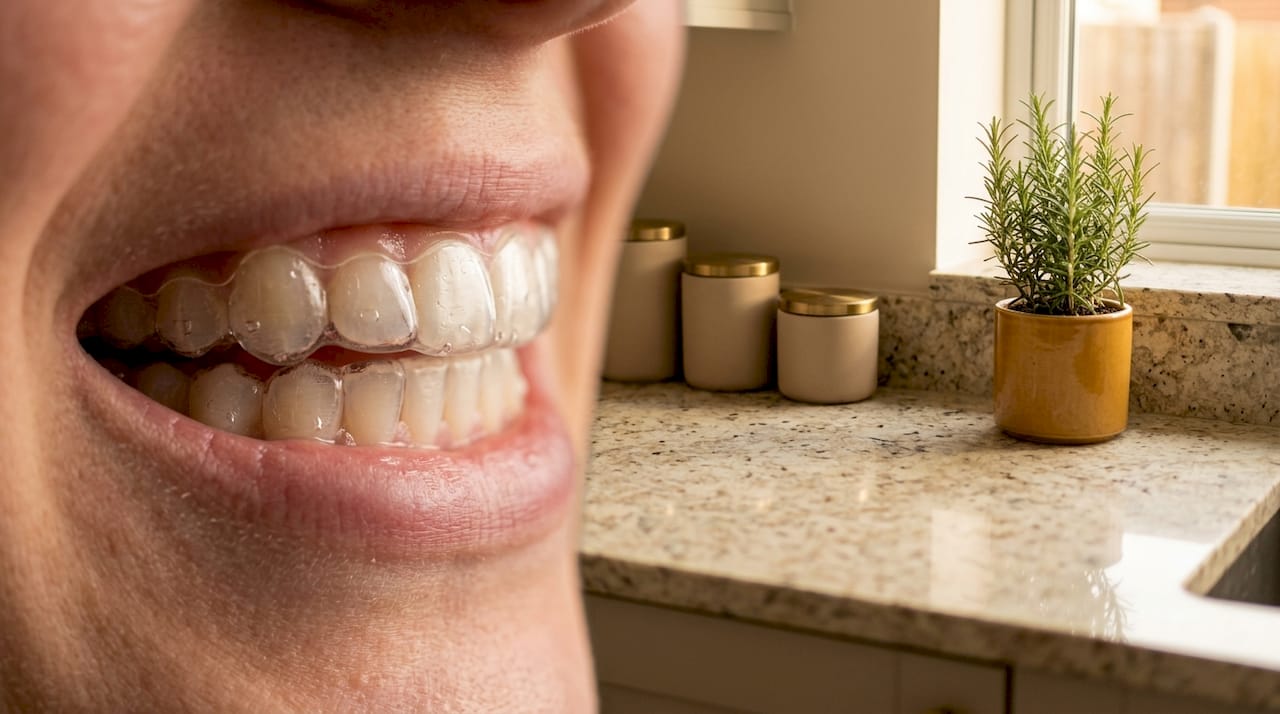
Research from a BMC Oral Health retrospective cohort study found that full-time retainer wear during the first year post-treatment produced an odds ratio of 0.070 (p less than 0.001) for relapse, meaning patients who wore their retainers full-time were dramatically less likely to experience unwanted tooth movement. That number tells you how much compliance matters.
Fixed vs. removable retainers: which type is right?
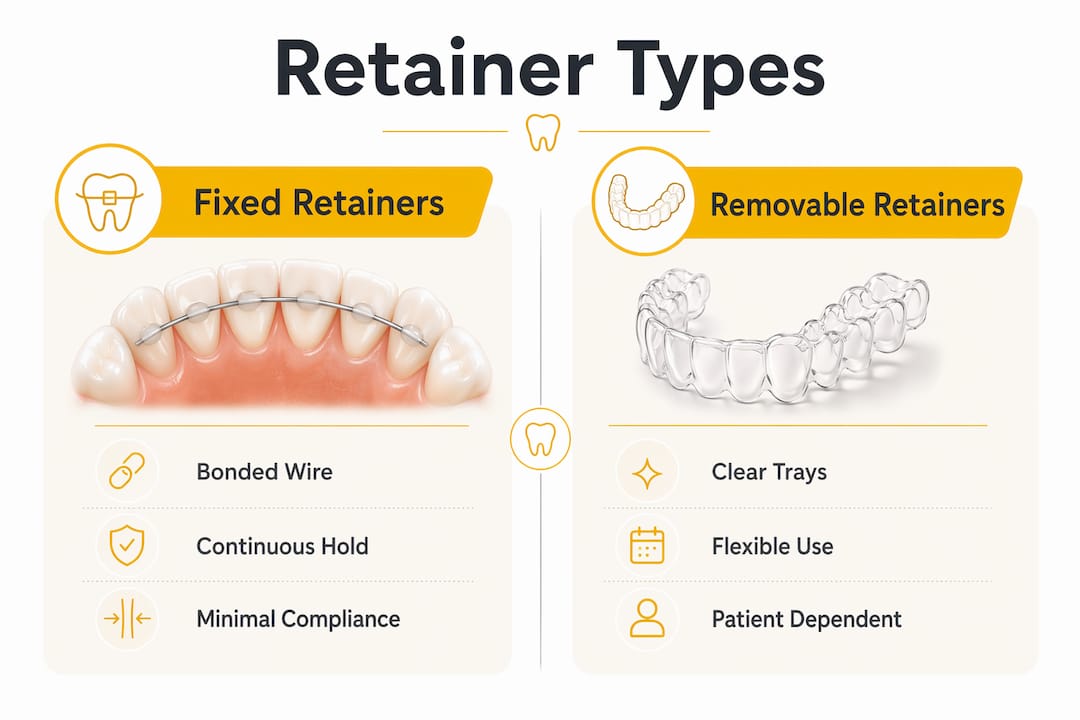
Not all retainers work the same way, and the choice between fixed and removable options affects both compliance and long-term outcomes. Here is a direct comparison of the main types:
| Retainer type | How it works | Best for | Key drawback |
|---|---|---|---|
| Fixed (bonded) wire | Thin wire bonded to the back of front teeth | High-relapse-risk patients, lower front teeth | Requires professional removal; harder to clean |
| Hawley (removable) | Wire and acrylic plate that clips onto teeth | Patients needing adjustability | Bulkier; easier to lose |
| Clear plastic (Essix) | Thin vacuum-formed tray over teeth | Aesthetics-conscious patients; teens | Can crack; wears down over time |
Fixed retainers are bonded directly to the back surfaces of the teeth, most commonly the lower front six. They work around the clock without requiring any patient action, which makes them reliable for patients who struggle with compliance. The downside is that they require careful flossing with a threader and must be monitored at checkups for wire breakage.
Removable retainers, including Hawley retainers and clear Essix-style trays, give patients more flexibility. Clear plastic retainers are the most popular choice today because they are nearly invisible and comfortable. However, they depend entirely on the patient actually wearing them, which is where many people run into trouble.
Many orthodontists now recommend fixed and removable retainers used together, particularly for patients with a higher relapse risk. A bonded wire on the lower teeth combined with a clear tray for the upper arch covers both compliance and aesthetics. Personalized retention strategies based on individual clinical risk consistently improve outcomes compared to a one-size-fits-all approach.
Pro Tip: For teenagers especially, a clear Essix retainer for the upper arch paired with a fixed wire on the lower arch is a practical combination. It reduces the chance of losing the retainer while keeping the smile looking natural during school hours.
For a deeper look at retainer options for kids, the type of retainer matters less than the consistency of use. Your orthodontist should walk you through the tradeoffs based on your child’s specific bite history.
How long do retainers need to be worn?
The short answer is: longer than most patients expect. The standard protocol follows a two-phase schedule:
- Full-time wear (6 to 12 months post-treatment): Retainers are worn all day and night except during meals and brushing. This phase covers the critical biological window when bone is still remodeling around the newly positioned teeth.
- Nighttime-only wear (ongoing, often lifelong): Once the bone has stabilized, most orthodontists transition patients to wearing their retainer only while sleeping. The lifelong nighttime wear recommendation is now standard because relapse risk persists for years, not just months.
- Monitoring phase: Regular checkups with your orthodontist or general dentist confirm that teeth are holding position and that the retainer still fits correctly.
“Retention is a long-term lifestyle choice. Planning involves comparing fixed versus removable retainers with patient participation, not a brief afterthought at the end of treatment.” — 2026 PubMed retention guidance
The first year post-treatment is biologically the most critical. Adherence to full-time wear at this stage significantly reduces relapse risk, and skipping even a few nights during this window can allow measurable movement. After the first year, the risk does not disappear. It simply becomes more manageable with consistent nighttime wear.
Stopping retainer use entirely, even after several years of stable results, carries real risk. Teeth continue shifting due to aging, jaw changes, and gum pressure throughout adulthood. The patients who maintain the best long-term results are the ones who treat nighttime retainer wear the same way they treat brushing: a non-negotiable part of the routine.
Practical tips for retainer care and long-term compliance
Consistent wear only works if the retainer is in good condition and the patient has habits that support regular use. Poor care shortens retainer lifespan and creates gaps in protection.
Cleaning and storage:
- Rinse your retainer with cool water every time you remove it. Hot water warps clear plastic retainers permanently.
- Clean removable retainers with a soft toothbrush and mild soap or a retainer-specific cleaner like Retainer Brite. Toothpaste is too abrasive and scratches the surface.
- Store retainers in their case when not in use. Most retainers are lost or broken when left on a napkin at a restaurant or placed on a bathroom counter.
Recognizing damage:
Cracks, warping, or a retainer that no longer fits snugly are signs it needs replacement. A retainer that does not seat fully is not protecting your teeth. Proper retainer care and routine checkups prevent device damage and help detect early shifts before they require costly retreatment.
Building compliance habits:
Compliance decay after the early post-treatment period is common among patients of all ages. Setting a phone reminder, keeping the retainer case on the nightstand, and tying retainer wear to an existing bedtime habit all reduce the chance of skipping nights. For parents of teens, a weekly check-in about retainer wear is more effective than a one-time conversation.
What to do if teeth have already shifted:
If your retainer no longer fits after a period of non-use, do not force it in. Contact your orthodontist. Minor shifts can sometimes be corrected with a new retainer. More significant movement may require retreatment. Understanding orthodontic relapse causes early gives you and your orthodontist more options.
Shared responsibility among the orthodontist, patient, and dentist is the model that produces the best long-term outcomes. Your general dentist should check retainer fit at every cleaning appointment, and your orthodontist should be your first call if something feels off.
Key takeaways
Retainers are the single most effective tool for protecting orthodontic results long-term, and consistent wear during the first year post-treatment is the strongest predictor of stability.
| Point | Details |
|---|---|
| Relapse is biological, not a failure | Bone remodeling and fiber memory cause teeth to shift; retainers counteract this process. |
| First-year compliance is critical | Full-time wear in the first 6 to 12 months dramatically reduces relapse risk per BMC Oral Health data. |
| Retainer type should match the patient | Fixed, removable, and dual retention each suit different risk profiles; ask your orthodontist for a personalized plan. |
| Nighttime wear is a lifelong habit | Relapse risk persists for decades; nightly retainer use is the standard recommendation for permanent results. |
| Shared care prevents costly retreatment | Regular checkups with both your orthodontist and general dentist catch problems before they become expensive. |
What years of watching patients skip retainers taught me
The most common story I hear goes like this: treatment ends, the patient wears the retainer faithfully for six months, life gets busy, the retainer gets left on a nightstand, and two years later they are back asking why their teeth look different. Every single time, the answer is the same. Retention was treated as the end of treatment rather than the beginning of maintenance.
The mindset shift that changes outcomes is simple but hard to sell: the retainer is not the last step. It is the ongoing protection for everything that came before it. Braces and Invisalign move teeth. Retainers keep them there. Without the second part, the first part has a shelf life.
What I have also seen is that education about retainer importance genuinely improves how well patients follow through. When families understand the biology, not just the instruction, compliance goes up. Telling a teenager “wear your retainer or your teeth will move back” lands differently than explaining that their bone is still soft and their gum fibers are pulling. One sounds like a rule. The other sounds like a reason.
The families who get the best long-term results are the ones who treat retention as a team effort. The orthodontist provides the device and the plan. The patient wears it. The parents reinforce the habit. The general dentist monitors at cleanings. When one part of that chain breaks, the results suffer. When all four stay engaged, the smile lasts.
— Juiced
Protect your results with Glow Orthodontics

At Gloworthodontics, retention is built into every treatment plan from the start, not added as an afterthought. The team in Langley fits each patient with a retainer matched to their specific bite history, relapse risk, and lifestyle, whether that means a bonded wire, a clear tray, or a combination of both. Ongoing monitoring appointments catch early shifts before they become bigger problems, and the front desk makes scheduling easy for busy families. If you are navigating post-treatment care for your child or yourself, the teen orthodontic care guide is a practical starting point. Book a retention consultation with Gloworthodontics and keep that smile exactly where it belongs.
FAQ
Why do retainers prevent teeth from shifting?
Retainers hold teeth in their corrected positions while the surrounding bone and soft tissue stabilize after orthodontic treatment. Without this support, the natural remodeling process and periodontal fiber memory pull teeth back toward their original positions.
How long should you wear a retainer after braces?
Most orthodontists recommend full-time wear for 6 to 12 months, followed by lifelong nighttime wear. Relapse risk does not disappear after the first year, which is why nightly use remains the standard recommendation.
What happens if you stop wearing your retainer?
Teeth will gradually shift back toward their pre-treatment positions, a process called orthodontic relapse. The speed of movement varies by individual, but even patients with stable results for several years can experience noticeable changes after stopping retainer use.
Is a fixed retainer better than a removable one?
Neither type is universally better. Fixed retainers work continuously without relying on patient compliance, while removable retainers offer flexibility and easier cleaning. Many orthodontists recommend both types together for patients with higher relapse risk.
How do you clean and care for a retainer?
Rinse removable retainers with cool water after each use and clean them with a soft toothbrush and mild soap or a product like Retainer Brite. Avoid hot water, which warps clear plastic, and always store retainers in their case to prevent loss or damage.