Are Braces Covered by Insurance: Complete Guide
December 2, 2025
Are Braces Covered by Insurance: Complete Guide
More than 4 million american children and adults wear braces, yet figuring out what insurance really covers often leaves families confused and frustrated. The details around orthodontic coverage are filled with rules and exceptions that can change by provider and plan. Understanding how insurance works for braces is the first step to making smart choices that protect your wallet and give you the best care possible.
Table of Contents
- What Insurance Coverage for Braces Means
- Types of Dental Insurance Plans for Braces
- Determining Eligibility and Coverage Limits
- How to File an Orthodontic Insurance Claim
- Costs, Exclusions, and Alternatives to Insurance
Key Takeaways
| Point | Details |
|---|---|
| Understanding Insurance Coverage | Orthodontic insurance often categorizes braces under Class IV, with unique restrictions and a separate lifetime maximum benefit. |
| Eligibility Considerations | Plans usually prioritize coverage for children and may only cover treatments deemed “medically necessary.” |
| Claims Process | A detailed treatment plan and specific documentation are essential for successfully filing a claim for orthodontic care. |
| Financial Alternatives | When insurance coverage is insufficient, explore financing options like payment plans, flexible spending accounts, or healthcare credit cards. |
What Insurance Coverage for Braces Means
Understanding orthodontic insurance coverage can feel like navigating a complex maze, especially when it comes to braces. Dental insurance plans approach orthodontic treatment differently from standard dental procedures, with unique rules and limitations that can significantly impact your out-of-pocket expenses.
Typically, dental insurance plans categorize orthodontic services as a specialized category with specific coverage parameters. Most plans divide dental services into different “classes,” with orthodontics usually falling under Class IV – a separate classification that comes with its own set of financial constraints. This means braces are often treated as a distinct benefit, separate from routine dental care.
When it comes to actual coverage, insurance providers generally approach orthodontic treatment with several key restrictions. Many plans limit orthodontic benefits to children, implementing a lifetime dollar maximum for treatment. Commonly, insurance will cover approximately 50% of orthodontic charges, up to a predetermined lifetime maximum. However, coverage isn’t guaranteed for everyone – many insurers only cover treatments deemed “medically necessary” according to their specific criteria.
Important coverage considerations include:
- Lifetime maximum benefit amount for orthodontics
- Age restrictions (often prioritizing pediatric treatment)
- Percentage of treatment costs covered (typically 25-50%)
- Specific definitions of “medically necessary” treatment
- Potential waiting periods before coverage begins
Navigating these nuanced insurance provisions requires careful research and consultation with both your insurance provider and orthodontic specialist. Understanding your specific plan’s details can help you plan financially and maximize your potential insurance benefits for braces.
Types of Dental Insurance Plans for Braces
Navigating the world of dental insurance can be overwhelming, especially when searching for coverage for braces. Dental insurance plans come in multiple varieties, each with unique features that can significantly impact your orthodontic treatment costs and coverage options.

Preferred Provider Organization (PPO) Plans are among the most common dental insurance types. These plans offer a network of approved dentists and orthodontists who provide services at negotiated rates. With PPO plans, you’ll typically have more flexibility in choosing your orthodontist, though staying within the network ensures lower out-of-pocket expenses. Dental insurance classifications often place orthodontic treatments in a specialized category, which means your PPO might have specific rules for braces coverage.
Other notable dental insurance plan types include:
- Dental Health Maintenance Organizations (DHMOs): Require treatment through in-network providers
- Indemnity Plans: Offer more provider flexibility with predetermined reimbursement rates
- Exclusive Provider Organizations (EPOs): Restrict coverage to in-network providers
- Direct Reimbursement Plans: Reimburse patients based on actual treatment costs
When exploring orthodontic coverage, pay close attention to each plan’s specific provisions. Class IV services – which typically include braces – often have separate lifetime maximum benefits. This means the coverage for orthodontic treatment is distinct from regular dental services, with unique limitations and potential out-of-pocket expenses. Understanding these nuanced differences can help you select the most appropriate insurance plan for your orthodontic needs.
Determining Eligibility and Coverage Limits
Navigating the complex landscape of orthodontic insurance coverage requires understanding the specific eligibility criteria and limitations that insurers impose. Coverage for braces is typically most generous for children, with many insurance plans implementing age-specific restrictions and medical necessity requirements.
Insurance providers often define medical necessity through a specific set of criteria that goes beyond cosmetic considerations. These plans commonly cover up to 50% of orthodontic charges, subject to a predetermined lifetime maximum. Key factors that determine eligibility typically include:
- Severity of dental misalignment
- Potential impact on oral health and functionality
- Patient’s age at the start of treatment
- Documented medical documentation supporting the need for orthodontic intervention
The financial structure of orthodontic coverage is uniquely complex. Class IV services – the category that includes braces – usually come with a separate lifetime maximum benefit distinct from standard dental service coverages. This means the funds allocated for braces are ringfenced, preventing patients from using general dental benefits to supplement orthodontic expenses. Understanding these nuanced coverage limits is crucial for effectively planning and budgeting for orthodontic treatment, ensuring you can make informed decisions about your dental care financial strategy.
How to File an Orthodontic Insurance Claim
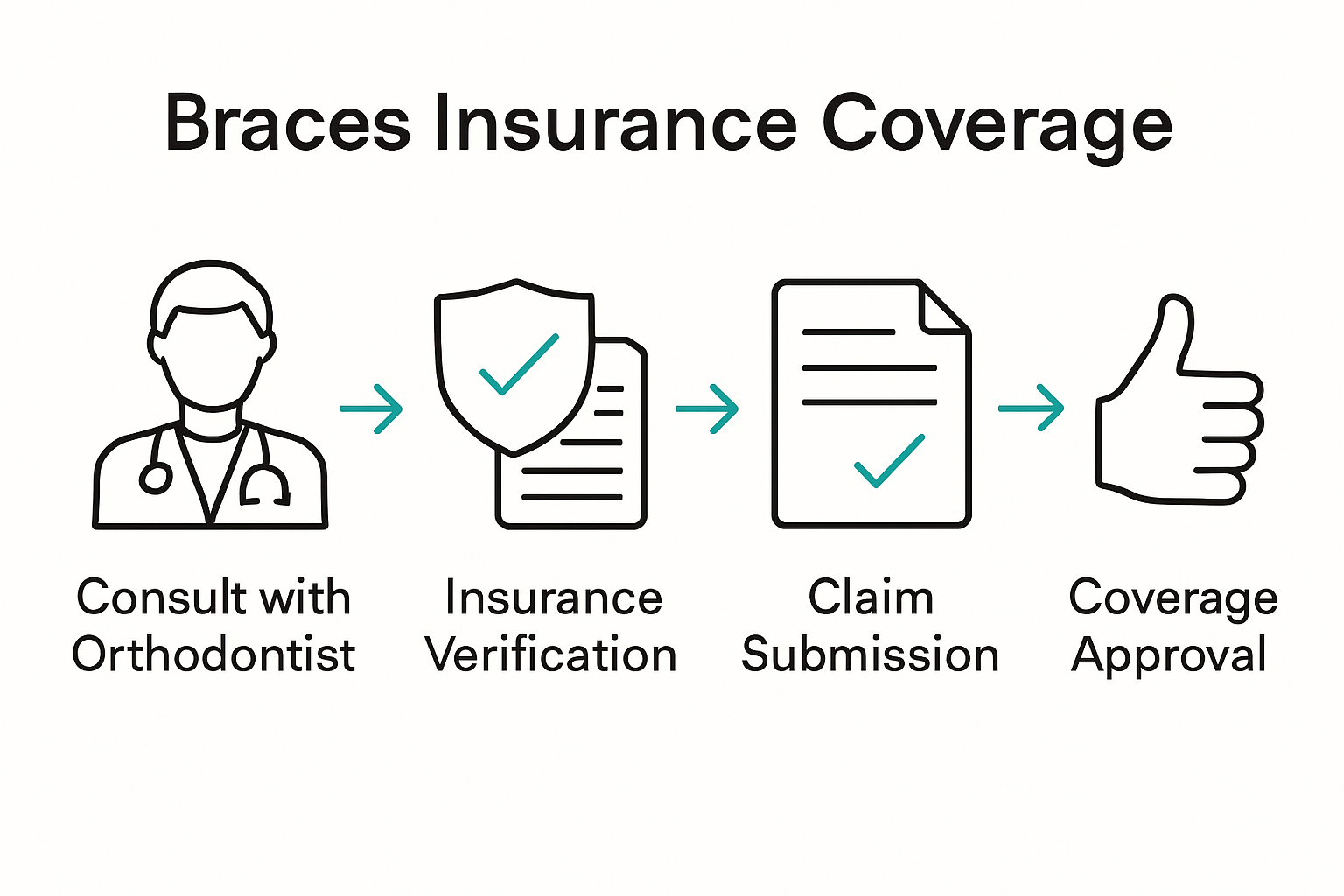
Filing an orthodontic insurance claim can seem daunting, but understanding the process can help you navigate the complexities of insurance reimbursement. The initial step involves obtaining a comprehensive treatment plan from your orthodontist, which should include detailed documentation about the proposed treatment, estimated costs, and anticipated duration of care.
The documentation process requires meticulous attention to detail. Insurance providers typically process orthodontic claims as Class IV services, which means they have unique submission requirements. Essential documents you’ll need to compile include:
- Detailed treatment plan from your orthodontist
- Diagnostic x-rays demonstrating medical necessity
- Itemized cost breakdown of proposed treatment
- Patient and provider information forms
- Specific insurance claim submission forms
Most dental insurance plans have a structured payment approach for orthodontic treatments. They often make an initial payment at the start of active treatment and then distribute the remaining balance over several months. Lifetime maximum benefits play a crucial role in determining your total coverage, so carefully review your specific plan’s provisions. Understanding these nuanced details can help you maximize your insurance benefits and minimize out-of-pocket expenses for orthodontic care.
Costs, Exclusions, and Alternatives to Insurance
Orthodontic treatment costs can quickly become a significant financial investment, with most families facing substantial out-of-pocket expenses even when insurance provides partial coverage. Understanding the financial landscape is crucial for effective planning and budgeting for orthodontic care.
Insurance plans typically cover up to 50% of orthodontic charges, subject to a lifetime maximum benefit. Common exclusions that can impact your financial responsibility include:
- Cosmetic treatment considerations
- Age restrictions for coverage
- Pre-existing dental conditions
- Waiting periods before coverage activation
- Specific diagnostic requirement limitations
When traditional insurance falls short, several alternative financing options can help manage orthodontic expenses. Flexible spending accounts offer tax-advantaged savings for medical expenses, while orthodontist payment plans can break down total treatment costs into manageable monthly installments. Some families might also explore healthcare credit cards, personal loans, or workplace benefits that provide additional financial support for orthodontic treatments. The key is to research multiple options and create a comprehensive financial strategy that makes quality orthodontic care accessible without creating undue financial strain.
Understand Your Braces Insurance Coverage and Get Personalized Care at Glow Orthodontics
Navigating insurance coverage for braces can leave you feeling overwhelmed by complex rules, lifetime maximums, and eligibility requirements. At Glow Orthodontics, we recognize these challenges and are here to guide you through the process with personalized support. Whether you are concerned about age restrictions, waiting periods, or coverage percentages, our team helps you understand how your insurance applies to your orthodontic treatment.

Take control of your smile journey today by visiting Glow Orthodontics to explore tailored treatment options that fit your insurance benefits. With our professional and compassionate approach, we make it easy to schedule consultations, discuss payment alternatives, and maximize your coverage. Don’t wait to get the confident smile you deserve. Start by learning more about our services and booking your appointment now at Glow Orthodontics.
Frequently Asked Questions
What types of dental insurance cover braces?
Dental insurance plans vary, but common types that may cover braces include Preferred Provider Organization (PPO) plans, Dental Health Maintenance Organizations (DHMOs), and Indemnity Plans. Each has different rules regarding orthodontic treatment coverage.
Is there a lifetime maximum for orthodontic coverage?
Yes, most dental insurance plans impose a lifetime maximum on orthodontic benefits, meaning there is a predetermined limit on how much the insurer will pay for braces or orthodontic treatment.
Do insurance plans cover braces for adults?
While many insurance plans prioritize coverage for children, some may cover braces for adults, depending on the plan’s specific terms and whether the treatment is deemed medically necessary.
How do I file an insurance claim for orthodontic treatment?
To file a claim for braces, you’ll need to obtain a detailed treatment plan from your orthodontist, including cost estimates and documentation about medical necessity. Then, submit the necessary paperwork to your insurance provider according to their guidelines.