Benefits of Early Intervention: Complete Guide
November 11, 2025
Benefits of Early Intervention: Complete Guide
Over 60 percent of orthodontic problems can be detected in children before the age of ten, yet many families wait until the teen years to seek help. Early intervention in orthodontics is more than a cosmetic choice. Addressing dental concerns during childhood not only leads to easier treatment but can also spare your child from more complex procedures in the future. Discover how taking action early shapes healthier, more confident smiles for life.
Table of Contents
- Defining Early Intervention in Orthodontics
- Types of Orthodontic Issues Treated Early
- How Early Interventions Work Step-by-Step
- Key Benefits of Early Orthodontic Treatment
- Parents’ Role and Common Misconceptions
- Outcomes Versus Delayed Orthodontic Care
Key Takeaways
| Point | Details |
|---|---|
| Importance of Early Evaluation | Children should have their first orthodontic evaluation by age seven to identify potential dental issues early. |
| Benefits of Proactive Treatment | Early intervention can guide proper jaw and tooth development, preventing more complex treatments later. |
| Parental Involvement is Crucial | Parents should actively engage in their child’s orthodontic care, addressing misconceptions about treatment necessity and timing. |
| Long-term Outcomes vs. Delay | Early treatment generally leads to better dental health outcomes compared to delayed orthodontic care, which may result in more extensive interventions. |
Defining Early Intervention in Orthodontics
Early orthodontic intervention represents a strategic approach to addressing dental alignment challenges in children during their critical developmental years. Interceptive orthodontics focuses on identifying and treating potential dental issues before they become more complex or challenging to correct. According to johs.org, this approach specifically targets children aged six to ten, leveraging their ongoing growth to facilitate easier and more effective treatment.
The primary goal of early intervention is proactive problem management. idathiruvalla.org notes that the American Association of Orthodontists recommends children receive their first orthodontic evaluation by age seven. This initial assessment allows orthodontic professionals to:
- Detect potential alignment issues early
- Prevent more complex dental problems from developing
- Potentially reduce the need for extensive future treatments
- Guide proper jaw and tooth development
Early intervention goes beyond simple cosmetic adjustments. It involves a comprehensive understanding of a child’s unique dental development trajectory. By addressing misalignments, bite issues, and potential structural challenges during childhood, orthodontists can help children develop healthier, more functional dental structures. This approach not only improves immediate dental aesthetics but also sets the foundation for long-term oral health, potentially minimizing the need for more invasive treatments like surgical interventions later in life.
Types of Orthodontic Issues Treated Early
Early orthodontic intervention addresses a wide range of dental challenges that can significantly impact a child’s oral development. PubMed research highlights several key conditions where early treatment can make a substantial difference, including posterior crossbites, Class III and Class II malocclusions, open bites, and arch length discrepancies. Understanding these issues early allows orthodontic professionals to implement targeted strategies that guide proper dental growth.
One particularly common concern is developing Class II malocclusion. According to International Journal of Oral Health Dentistry, this condition frequently emerges during the mixed dentition stage – a critical period when both baby and adult teeth are present. Early interception during this phase can prevent complications that might otherwise require more complex treatments later.
The specific types of orthodontic issues commonly addressed in early intervention include:
- Crowding: When teeth don’t have enough space to emerge properly
- Bite Misalignments: Including overbites, underbites, and crossbites
- Jaw Growth Discrepancies: Addressing uneven upper and lower jaw development
- Tooth Positioning Problems: Preventing teeth from emerging at incorrect angles
By proactively identifying and treating these issues, orthodontists can help children develop healthier, more functional dental structures.
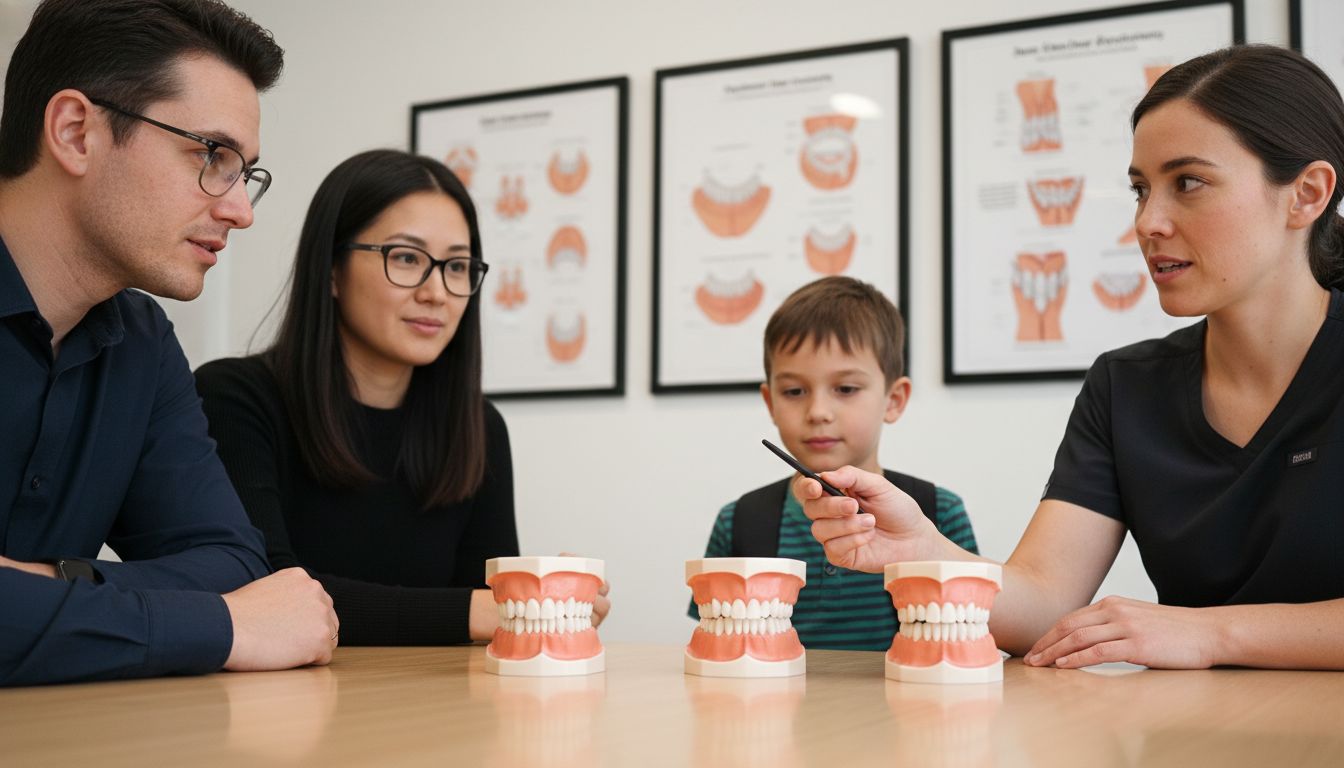 This approach not only improves immediate dental alignment but also sets the foundation for long-term oral health, potentially reducing the need for more invasive treatments in the future.
How Early Interventions Work Step-by-Step
Early orthodontic intervention is a carefully structured process designed to address dental development challenges proactively. Colgate notes that this approach can begin as early as ages 6 or 7, focusing on comprehensive evaluation and strategic treatment planning. The goal is to identify and address potential dental issues before they become more complex or challenging to correct.
According to PubMed, the typical early intervention process spans 12-18 months and involves several critical stages of growth modification. The primary objectives are to influence jaw growth patterns, correct skeletal imbalances, and prevent severe malocclusion from developing.
The step-by-step process of early orthodontic intervention typically includes:
- Initial Comprehensive Assessment
- Detailed dental and facial examination
- Digital imaging and x-rays
- Evaluation of jaw and tooth development
- Diagnostic Planning
- Identifying specific alignment and growth issues
- Developing a personalized treatment strategy
- Discussing potential intervention approaches with parents
- Treatment Implementation
- Using functional appliances to guide jaw growth
- Addressing specific alignment challenges
- Monitoring progress through regular follow-up appointments
- Ongoing Evaluation
- Tracking dental development
- Making adjustments to treatment as needed
- Preparing for potential future orthodontic interventions
By following this systematic approach, orthodontists can effectively guide a child’s dental development, potentially reducing the need for more invasive treatments later in life. The key is early detection, strategic intervention, and consistent monitoring throughout the child’s critical growth years.
Key Benefits of Early Orthodontic Treatment
Early orthodontic intervention offers a transformative approach to dental health that extends far beyond simple cosmetic improvements. johs.org highlights that this proactive strategy leverages a child’s natural growth patterns to create more effective and less invasive treatments. By addressing dental challenges during critical developmental years, orthodontists can significantly improve both physical and emotional outcomes for young patients.
According to idathiruvalla.org, early intervention provides comprehensive benefits that prevent severe dental problems from developing. The key advantages include:
- Guided Growth: Directing proper jaw and tooth development
- Problem Prevention: Stopping potential issues before they become complex
- Reduced Future Treatments: Minimizing the need for extensive interventions later
- Psychological Well-being: Improving self-confidence and social interactions
The most significant benefits of early orthodontic treatment encompass multiple aspects of a child’s health and development. Physical advantages include correcting jaw discrepancies, managing overcrowding, and establishing proper bite alignment. Emotional benefits are equally important, as addressing dental concerns early can prevent potential social challenges and boost a child’s self-esteem. By intercepting and treating orthodontic issues during the developmental stages, parents can provide their children with a foundation for lifelong oral health, improved functionality, and increased confidence.
Parents’ Role and Common Misconceptions
Parents play a critical role in early orthodontic intervention, serving as primary advocates and decision-makers for their child’s dental health journey. Proactive engagement means understanding the nuanced aspects of orthodontic care beyond simple misconceptions about treatment timing and necessity. While many parents might hesitate or delay seeking early intervention, being informed and attentive can significantly impact their child’s long-term oral development.
Several common misconceptions can prevent parents from pursuing timely orthodontic care. These misunderstandings often stem from outdated information or limited dental knowledge:
- “Braces are only for teenagers”: Early intervention can actually prevent more complex treatments later
- “My child’s teeth look fine”: Visual alignment doesn’t always indicate underlying structural issues
- “Treatment is purely cosmetic”: Orthodontic care addresses functional and health-related concerns
- “We should wait until all adult teeth emerge”: Some issues are best addressed during developmental stages
The most crucial parental responsibilities include scheduling initial consultations, maintaining open communication with orthodontic professionals, and supporting their child’s treatment plan. This involves understanding recommended procedures, helping children maintain proper oral hygiene during treatment, and providing emotional support. Parents who approach early orthodontic intervention as a collaborative process—working closely with dental professionals and maintaining a positive, supportive attitude—can help ensure the most successful outcomes for their child’s dental health and overall confidence.
Outcomes Versus Delayed Orthodontic Care
Early orthodontic intervention presents a strategic approach to dental development that can dramatically differ from delayed treatment. PubMed research reveals a compelling comparative analysis of early versus late intervention, particularly for managing Class II malocclusion. The study highlights that addressing dental challenges during the mixed dentition phase can effectively guide skeletal growth and potentially minimize the severity of future alignment issues.
PubMed notes that the optimal timing for orthodontic treatment remains a subject of professional debate. Some clinicians argue that early intervention with functional appliances can:
- Improve overall facial harmony
- Simplify subsequent treatment phases
- Potentially shorten total treatment duration
- Guide natural growth patterns more effectively
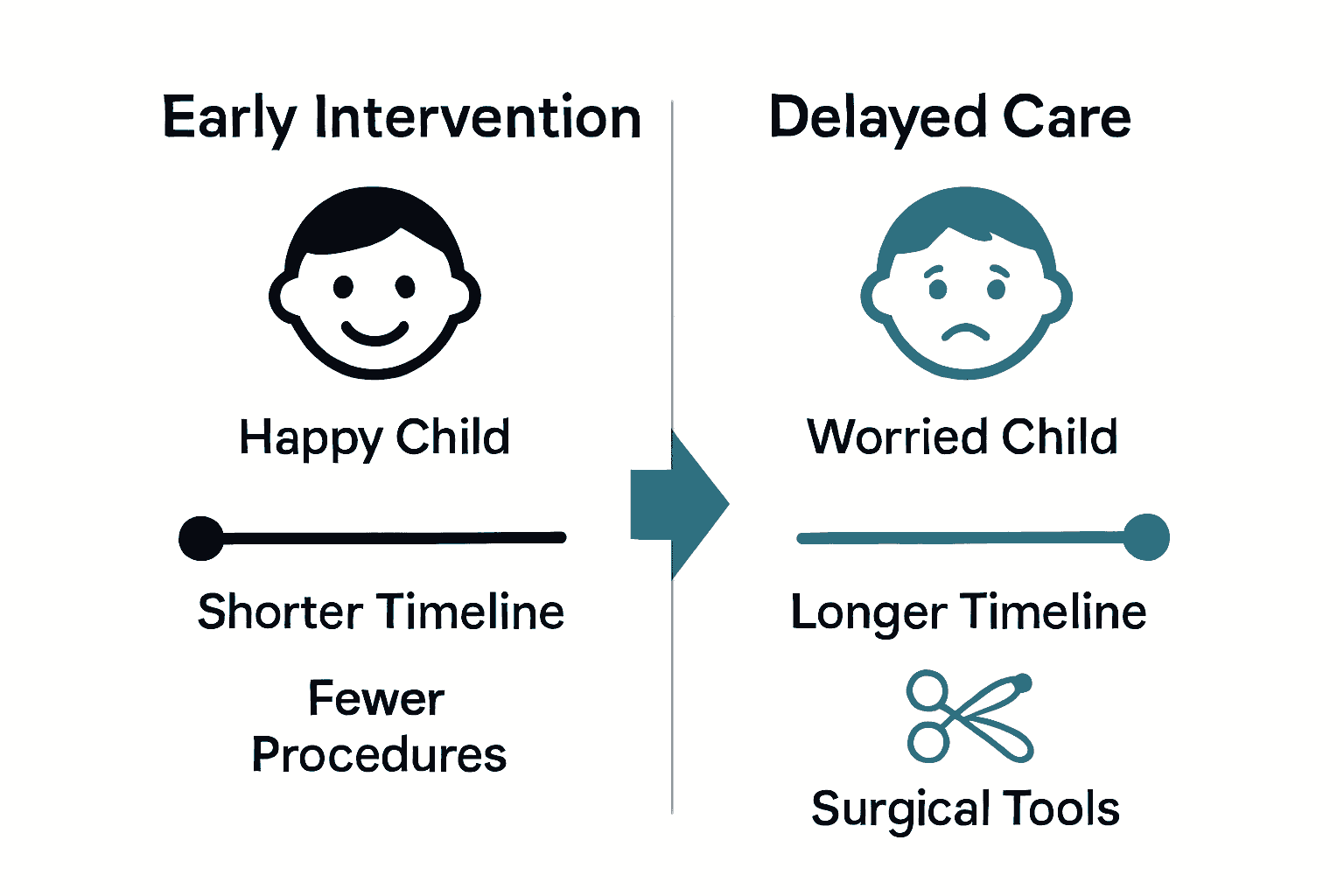
Delayed orthodontic care often results in more complex, time-consuming, and potentially invasive treatments. When dental and skeletal issues are left unaddressed during critical developmental windows, children may require more extensive interventions later. These can include more prolonged treatment periods, increased likelihood of surgical corrections, and potentially higher overall treatment costs. Early intervention allows orthodontists to work with the body’s natural growth processes, making adjustments that are less traumatic and more aligned with the child’s evolving dental structure.
Take Control of Your Child’s Smile with Early Orthodontic Care
Early intervention in orthodontics can prevent complex dental problems and help your child build a confident smile from the start. If you want to avoid lengthy treatments or surgical options down the road, it is important to act while your child’s jaw and teeth are still growing. Glow Orthodontics specializes in personalized early treatment strategies designed to guide proper jaw growth, correct bite issues, and reduce future discomfort.

Discover how our caring team at Glow Orthodontics supports families throughout each step of early orthodontic care. From thorough assessments to customized treatment plans using advanced techniques like Invisalign, we help your child enjoy healthier teeth and increased self-confidence. Book a consultation today and ensure your child’s smile has the best possible start by visiting our homepage to get started.
Frequently Asked Questions
What is early orthodontic intervention?
Early orthodontic intervention is a proactive approach to addressing dental alignment issues in children, aiming to correct potential problems before they become complex. It typically targets children aged six to ten, taking advantage of their ongoing growth to facilitate more effective treatments.
What are the benefits of early orthodontic treatment?
Early orthodontic treatment helps direct proper jaw and tooth development, prevents severe dental problems, reduces the need for extensive future treatments, and can improve a child’s self-esteem and social interactions by enhancing their dental aesthetics.
What types of orthodontic issues can be treated with early intervention?
Common issues treated with early intervention include crowding, bite misalignments (overbites, underbites, crossbites), jaw growth discrepancies, and tooth positioning problems. Addressing these issues early can lead to better long-term dental health.
How does the process of early orthodontic intervention work?
The process involves an initial comprehensive assessment, diagnostic planning to identify alignment issues, treatment implementation using functional appliances, and ongoing evaluation to track progress. This systematic approach ensures effective guidance of a child’s dental development.