Complete Guide to the Benefits of Daily Stretching
November 17, 2025
Complete Guide to the Benefits of Daily Stretching
Over 50 percent of adults report muscle stiffness or discomfort linked to a lack of regular stretching, according to health studies. Stretching is more than a warm-up—it supports long-term flexibility, daily comfort, and reduces injury risk for people of all ages. By learning the basics and benefits of daily stretching, you can build a routine that supports better movement, improved posture, and even a calmer mind.
Table of Contents
- Understanding Daily Stretching Fundamentals
- Types of Stretching and Their Effects
- Physical and Mental Health Benefits
- Daily Stretching for Orthodontic Patients
- Common Mistakes and Safety Tips
Key Takeaways
| Point | Details |
|---|---|
| Importance of Stretching | Stretching enhances muscle flexibility and mobility, reducing injury risks and improving overall physical performance. |
| Types of Stretching Techniques | Incorporate dynamic, static, PNF, and passive stretching methods to achieve optimal flexibility tailored to your fitness needs. |
| Health Benefits | Regular stretching not only improves muscular flexibility but also enhances mental well-being, reduces stress, and promotes better posture. |
| Safety Practices | Avoid common mistakes like bouncing or stretching cold muscles; always prioritize gentle, controlled movements and respect your body’s limits. |
Understanding Daily Stretching Fundamentals
Stretching is a powerful physical practice designed to enhance muscle flexibility and overall body mobility. According to research from Wikipedia, stretching involves deliberately flexing or extending specific muscles and tendons to improve muscle elasticity and achieve comfortable muscle tone. This targeted physical exercise offers practitioners increased muscle control and a broader range of motion.
The science behind stretching reveals two primary techniques: dynamic and static stretching. As insights from MIT indicate, these approaches differently impact body flexibility. Dynamic stretching involves active movements that warm up muscles through controlled motion, while static stretching focuses on holding a specific position to gradually elongate muscle groups.
Effective daily stretching encompasses several key principles:
- Consistency is crucial for improving flexibility
- Gentle, controlled movements prevent potential injury
- Focus on major muscle groups for comprehensive benefits
- Integrate stretching into your daily routine for optimal results
By understanding these fundamental stretching techniques, you can transform your physical wellness, reduce injury risks, and enhance overall body performance. Stretching is not just an exercise—it’s a gateway to understanding your body’s potential and maintaining long-term muscular health.
Types of Stretching and Their Effects
Stretching isn’t a one-size-fits-all practice. Research from Taylor Francis reveals multiple stretching methods that impact body flexibility differently. The primary types include passive, active static, dynamic, and proprioceptive neuromuscular facilitation (PNF) stretching, each offering unique benefits to muscle performance and range of motion.
According to scientific studies, not all stretching techniques deliver identical results. Static and PNF stretching demonstrate greater improvements in range of motion compared to dynamic stretching. Innovative techniques like vibration-assisted stretching and muscle energy technique stretching have shown promising outcomes in increasing joint flexibility, particularly for areas like hip extension, as indicated by research from PubMed.
Here’s a breakdown of the main stretching types:
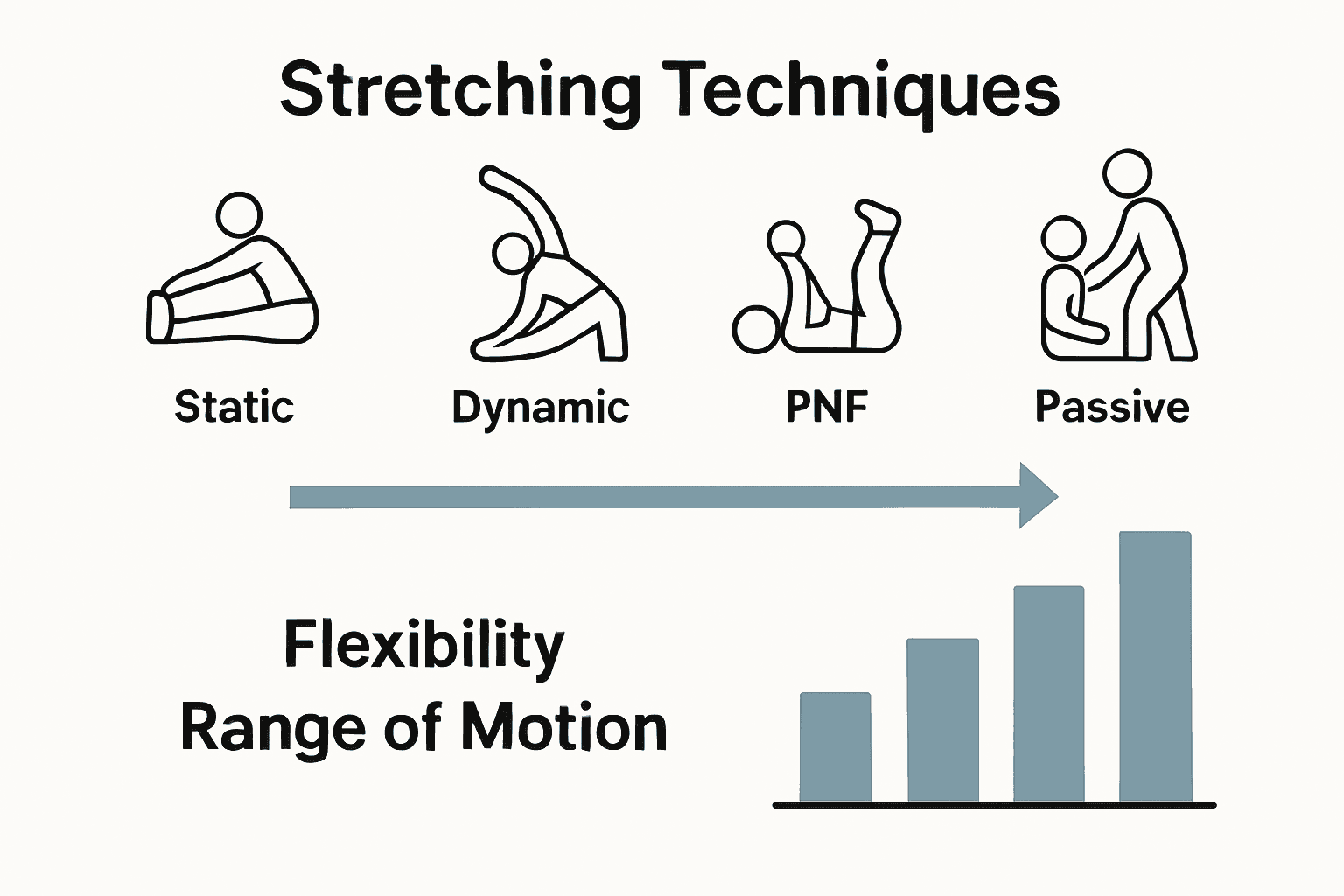
- Static Stretching: Holding a stretch in a challenging but comfortable position
- Dynamic Stretching: Active movements that mimic exercise motions
- PNF Stretching: Advanced technique involving muscle contraction and relaxation
- Passive Stretching: Using external assistance to achieve a stretch
Understanding these different stretching methods allows you to create a personalized approach that targets your specific fitness goals, improves flexibility, and reduces the risk of muscle strain.
By strategically incorporating various stretching techniques, you can optimize your body’s mobility and overall physical performance.
Physical and Mental Health Benefits
Stretching is far more than a simple physical exercise—it’s a holistic approach to wellness that impacts both body and mind. According to research from PubMed, stretching techniques are strategically designed to place controlled stress on the musculoskeletal system, increasing muscle resting length and range of motion. This systematic approach not only enhances flexibility but potentially reduces the risk of injury during physical activities.
Dynamic stretching, as explored by MIT, offers unique benefits beyond traditional static stretches. These controlled leg and arm movements push the body’s range of motion, serving as an effective warm-up that prepares muscles for more intense physical engagement. The benefits extend beyond immediate physical preparation, contributing to long-term muscular health and injury prevention.
The comprehensive health benefits of regular stretching include:
- Improved overall muscular flexibility
- Enhanced blood circulation
- Reduced muscle tension and stress
- Better posture and body alignment
- Increased energy levels
- Decreased risk of muscle-related injuries
- Improved mental clarity and relaxation
Beyond physical improvements, stretching acts as a powerful stress management technique. By creating a mindful connection between body movement and breath, stretching becomes a meditative practice that promotes mental well-being, reduces anxiety, and helps individuals develop a more balanced approach to physical and emotional health.
Daily Stretching for Orthodontic Patients
Orthodontic treatment requires a holistic approach to body wellness, and daily stretching plays a crucial role in supporting overall physical comfort and recovery. Research from University Medicine highlights that stretching exercises are essential for reducing muscle stiffness and preparing the body for various physical activities, which is particularly important for patients undergoing orthodontic treatment.
Specifically for orthodontic patients, stretching can help manage the physical adaptations required during treatment. According to research from PubMed, both dynamic and static stretching exercises have significant impacts on motor abilities and balance performance. For individuals wearing braces or aligners, these stretching techniques can help alleviate muscle tension, improve jaw mobility, and support the body’s natural alignment process.
Key stretching recommendations for orthodontic patients include:
- Gentle neck and shoulder stretches to reduce tension
- Jaw and facial muscle relaxation techniques
- Upper body stretches to improve posture
- Deep breathing exercises to manage treatment-related stress
- Soft tissue mobilization around the jaw area
By incorporating a consistent stretching routine, orthodontic patients can enhance their treatment experience, reduce discomfort, and support their body’s natural healing and adaptation processes. Stretching becomes more than just a physical exercise—it’s a supportive practice that complements orthodontic care, promotes overall well-being, and helps patients maintain a positive, proactive approach to their treatment journey.
Common Mistakes and Safety Tips
Stretching is a nuanced practice that requires careful attention to technique and personal limitations. According to research from Wikipedia, pre-workout stretching can significantly impact physical performance. Static stretching before exercise may actually weaken muscles and impair overall performance, making dynamic stretching a more recommended approach for warming up.
One of the most critical safety concerns in stretching involves avoiding dangerous techniques. Wikipedia’s stretching research specifically warns against ballistic stretching, which involves rapid bouncing movements. These aggressive stretches do not allow muscles to adjust gradually and can potentially cause serious injury by forcing muscles beyond their natural range of motion.
Common stretching mistakes to avoid include:
- Bouncing or jerking during stretches
- Stretching cold muscles without proper warm-up
- Pushing through sharp or intense pain
- Holding your breath while stretching
- Neglecting proper form and alignment
- Overstretching beyond your current flexibility level
To maximize safety and effectiveness, approach stretching as a mindful, gradual process. Listen to your body, respect its current limitations, and progressively improve flexibility through consistent, gentle practice. Remember that stretching is about creating a sustainable, injury-free path to improved mobility and overall physical wellness.
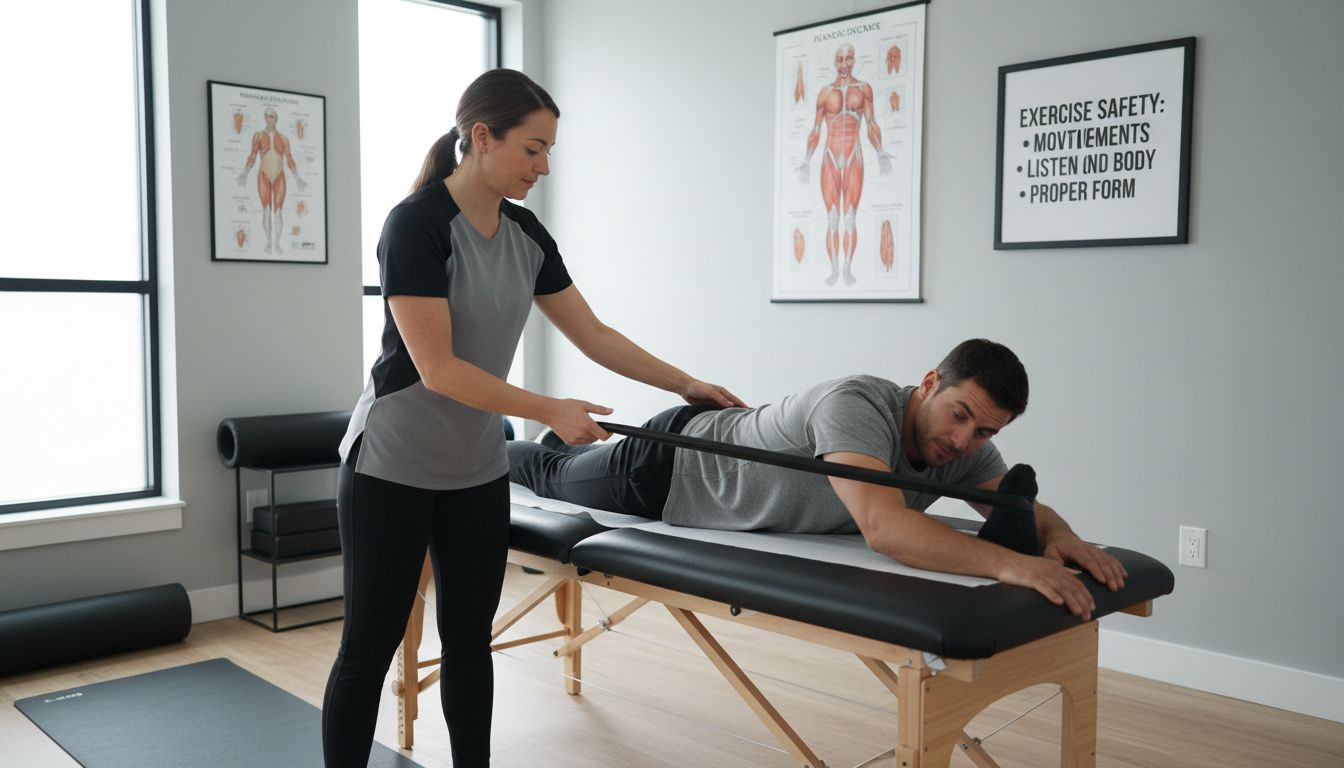
Enhance Your Orthodontic Journey with Daily Stretching for Greater Comfort
Daily stretching helps reduce muscle tension and improve your body’s flexibility. This is especially important if you are undergoing orthodontic treatment and want to ease discomfort from braces or aligners. Gentle neck, shoulder, and jaw stretches support better posture and jaw mobility, aligning perfectly with your path to a brilliant smile.

Discover how integrating simple stretching routines can complement your orthodontic care at Glow Orthodontics. Our dedicated team focuses on your overall well-being throughout your treatment. Visit our homepage to explore personalized treatment options, read patient testimonials, and easily schedule your consultation today. Start your journey now and experience greater comfort along with a glowing smile.
Frequently Asked Questions
What are the benefits of daily stretching?
Daily stretching improves overall muscular flexibility, enhances blood circulation, reduces muscle tension, promotes better posture and body alignment, increases energy levels, decreases the risk of muscle-related injuries, and improves mental clarity and relaxation.
What are the different types of stretching techniques?
The primary types of stretching techniques include static stretching, dynamic stretching, proprioceptive neuromuscular facilitation (PNF) stretching, and passive stretching, each with unique benefits for muscle performance and range of motion.
How can stretching help orthodontic patients?
Stretching can help orthodontic patients by reducing muscle stiffness, improving jaw mobility, alleviating muscle tension, and supporting the body’s natural alignment process during orthodontic treatment.
What should I avoid when stretching to prevent injuries?
To prevent injuries, avoid bouncing or jerking during stretches, stretching cold muscles without proper warm-up, pushing through sharp pain, neglecting breath control, and overstretching beyond your current flexibility level.