Can Retainers Straighten Teeth Without Braces?
January 10, 2026
Can Retainers Straighten Teeth Without Braces?
More than half of American kids need orthodontic care before their teens, yet many Langley parents want solutions beyond braces for lasting dental aesthetics. Understanding how retainers work matters when protecting your child’s smile and avoiding future tooth movement. Discover practical advice on choosing and using retainer options so your family can maintain confidence and healthy alignment without relying on traditional braces.
Table of Contents
- What Retainers Do for Teeth Alignment
- Types of Retainers and Their Key Differences
- How Retainers Work Compared to Braces
- Limitations and Ideal Use Cases for Retainers
- Risks and Alternatives to Retainer-Only Treatment
Key Takeaways
| Point | Details |
|---|---|
| Retainers Preserve Alignment | Retainers are essential for maintaining the results of orthodontic treatment by preventing teeth from shifting back to their original positions. |
| Types of Retainers Vary | Different retainer types, such as fixed and removable, have specific maintenance needs and benefits, necessitating tailored recommendations. |
| Compliance is Crucial | The effectiveness of removable retainers heavily depends on consistent patient compliance to ensure proper alignment is maintained. |
| Regular Check-Ups are Important | Frequent consultations with an orthodontist help assess the effectiveness of retainers and make necessary adjustments to retention strategies. |
What Retainers Do for Teeth Alignment
Retainers play a crucial role in maintaining the results achieved through orthodontic treatment. After braces or aligners have repositioned teeth, custom orthodontic appliances work diligently to preserve the new dental alignment. Their primary function is stabilizing teeth while surrounding bone and ligament tissues adapt to the corrected positioning.
The mechanism behind retainers involves counteracting the body’s natural tendency for teeth to shift back to their original positions. Teeth have a remarkable memory and will attempt to return to their previous arrangement if not carefully monitored. Retainer devices prevent this regression by applying gentle, consistent pressure that keeps teeth locked into their newly aligned configuration. This process allows the surrounding oral structures time to solidify around the corrected tooth placement.
Different types of retainers exist to accommodate various patient needs. Removable and fixed retainers) each offer unique benefits. Removable retainers like clear plastic or wire models can be taken out for eating and cleaning, while fixed retainers involve a thin wire bonded behind the teeth for continuous stabilization. The type recommended depends on individual orthodontic requirements and patient lifestyle.
Pro tip: Always store your retainer in its protective case when not wearing it to prevent damage and maintain its shape.
Types of Retainers and Their Key Differences
Orthodontic patients have several options when it comes to retainers, each with unique characteristics designed to maintain tooth alignment. Systematic research comparing retainer types reveals critical differences in design, functionality, and patient experience that influence treatment success.
Two primary categories dominate the retainer landscape: fixed retainers and removable retainers. Fixed retainers consist of a thin wire bonded directly behind the teeth, providing continuous stabilization without relying on patient compliance. These are particularly beneficial for patients who might forget to wear removable appliances. However, they require meticulous oral hygiene, as the bonded wire can trap food particles and potentially increase plaque accumulation.
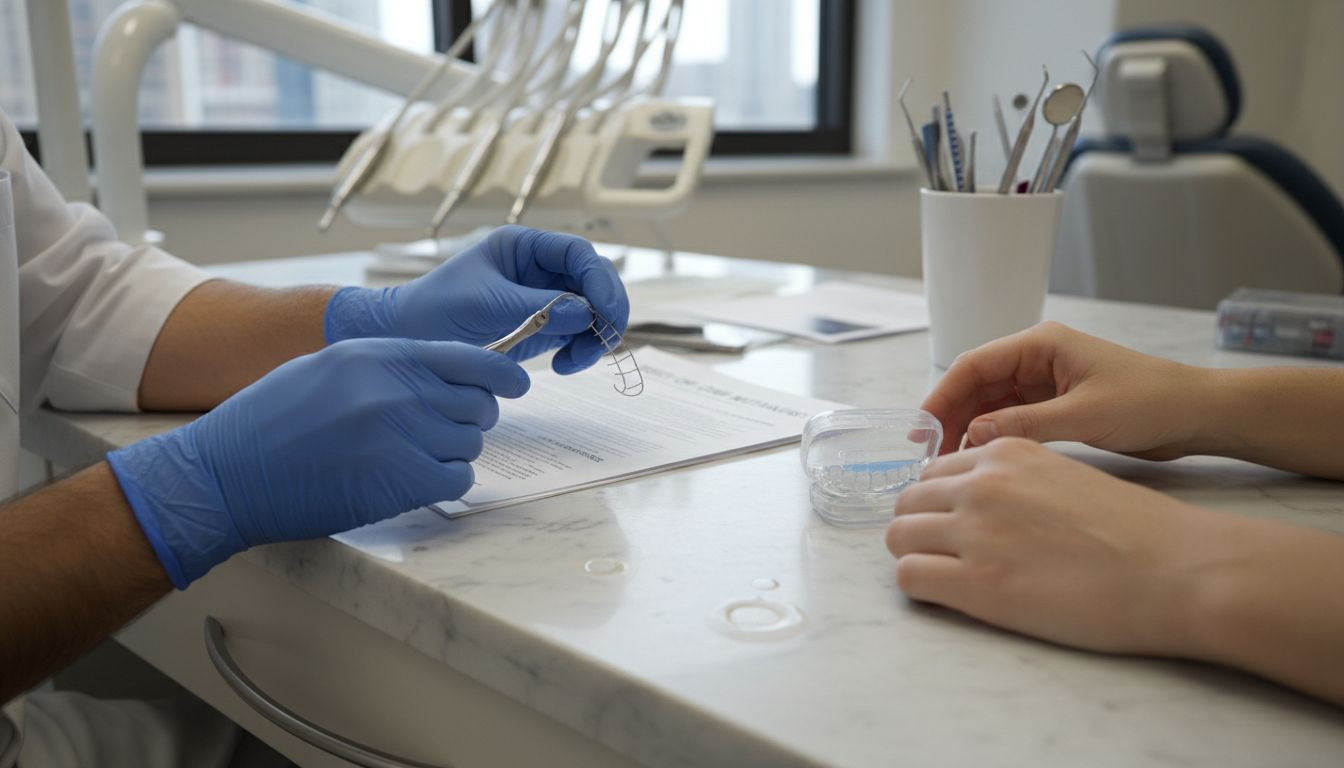
Removable retainers offer more flexibility and come in various materials and designs. Clear plastic retainers provide aesthetic discretion, while traditional Hawley retainers with wire frameworks allow for minor tooth adjustments. CAD/CAM technology has advanced fixed retainer manufacturing, enabling more precise customization and potentially reducing periodontal complications. Each retainer type presents trade-offs between convenience, effectiveness, and maintenance requirements.
Pro tip: Consult with your orthodontist to determine the most suitable retainer type based on your specific dental alignment and lifestyle needs.
Here’s a comparison of major retainer types and how their features impact patient outcomes:
| Retainer Type | Maintenance Needs | Compliance Required | Best Suited For |
|---|---|---|---|
| Fixed Wire | High, meticulous cleaning | Minimal, always worn | Patients prone to forgetting |
| Clear Plastic | Regular cleaning, delicate handling | High, must be worn as directed | Patients valuing aesthetics |
| Hawley (Wire/Plastic) | Moderate, easy to clean | High, removable usage | Minor tooth adjustments needed |
| CAD/CAM Custom | Customized fit, special care | Varies, depends on design | Complex orthodontic cases |
How Retainers Work Compared to Braces
Orthodontic treatment involves two distinct phases: active tooth movement and retention. Braces and retainers play fundamentally different roles in correcting and maintaining dental alignment. While braces actively reshape a patient’s smile by applying consistent pressure, retainers serve as a crucial stabilization tool after the initial correction is complete.
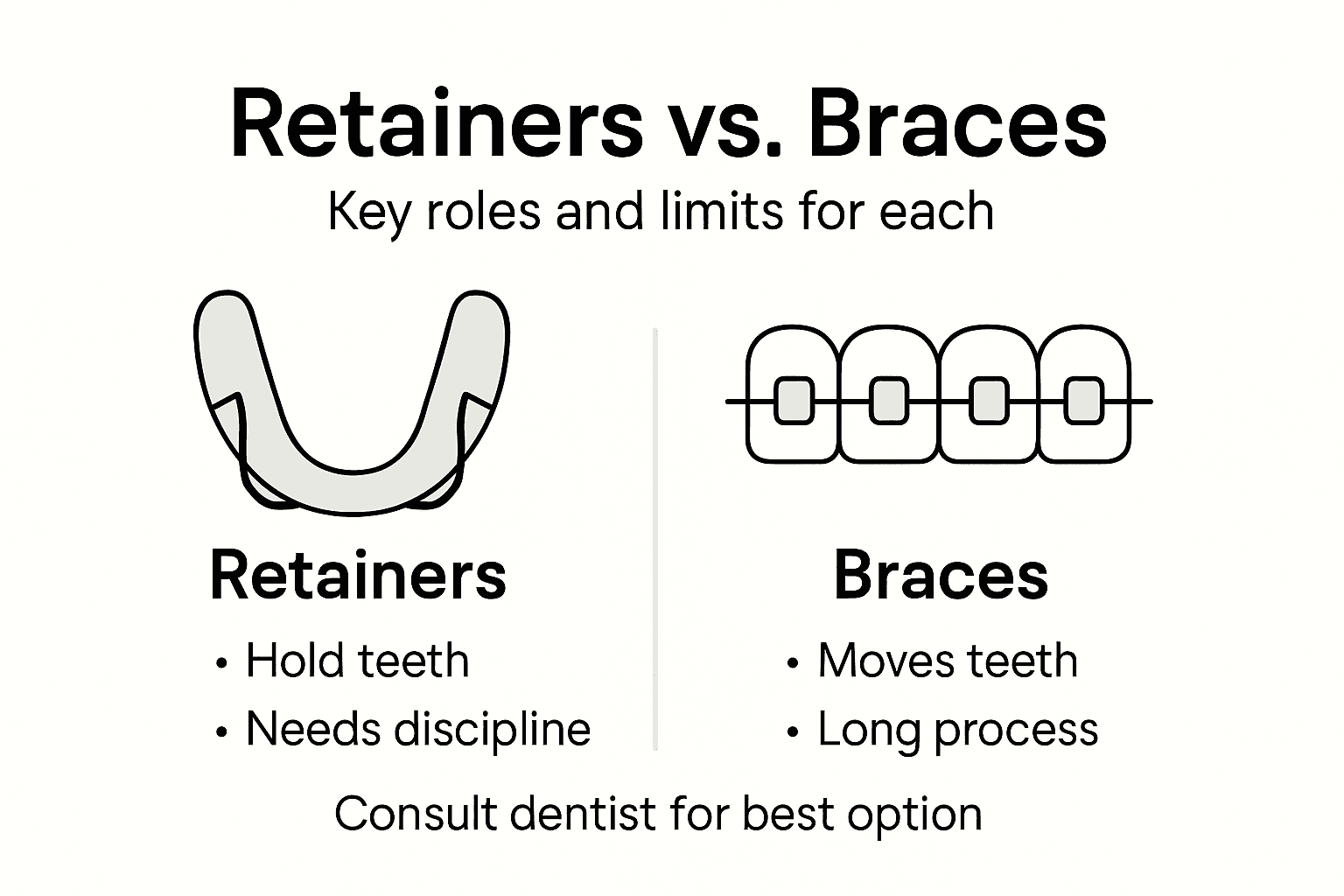
During orthodontic treatment, braces use mechanical pressure to gradually shift teeth into desired positions. Brackets and wires work together to apply calculated force, slowly moving teeth through bone and soft tissue. In contrast, retainers are passive devices designed to maintain the new tooth arrangement. They prevent teeth from reverting to their original positions by holding them firmly in place while the surrounding bone and ligament structures adapt to the new alignment.
Retention procedures are critical for long-term orthodontic success, preventing what orthodontists call orthodontic relapse. Think of braces as the architects of your smile, creating structural changes, while retainers act as the security guards, ensuring those changes remain intact. The retention phase can last months or even years, depending on individual dental characteristics and the complexity of the original orthodontic correction.
Pro tip: Follow your orthodontist’s recommended retainer wear schedule precisely to ensure the lasting success of your orthodontic treatment.
Limitations and Ideal Use Cases for Retainers
Retainer effectiveness varies across different patient profiles, making it crucial to understand their specific limitations and optimal application. Each retainer type comes with unique challenges that can impact long-term dental stability, requiring careful consideration of individual patient needs and characteristics.
Removable retainers present significant compliance challenges. These devices depend entirely on patient discipline, meaning teenagers and adults with inconsistent wear habits might experience tooth shifting. Vacuum-formed retainers particularly demonstrate higher relapse risks compared to fixed alternatives. Factors like motivation, lifestyle, and personal hygiene play critical roles in determining whether a removable retainer will successfully maintain tooth alignment.
Long-term tooth retention requires personalized strategies, accounting for natural dental movement and individual growth patterns. Fixed retainers offer more consistent stabilization but can create oral hygiene complications, potentially increasing plaque accumulation. Patients with excellent manual dexterity and commitment to thorough cleaning might benefit more from removable options, while those prone to forgetting or losing appliances might find fixed retainers more suitable.
Pro tip: Schedule regular check-ups with your orthodontist to assess your retainer’s effectiveness and make necessary adjustments to your retention strategy.
Risks and Alternatives to Retainer-Only Treatment
Orthodontic retention strategies involve multiple potential risks that patients and orthodontists must carefully evaluate. While retainers are essential for maintaining tooth alignment, they are not without potential complications that could compromise long-term dental health and treatment outcomes.
Fixed retainers, despite their convenience, can create significant oral hygiene challenges. The permanent wire bonded behind teeth becomes a potential breeding ground for plaque and bacteria, increasing the risk of periodontal issues. Mechanical failures can also occur, with wires potentially breaking or becoming detached, which might require unexpected additional dental interventions. Some patients might experience minor tooth sensitivity or discomfort associated with these permanent appliances.
Material safety remains a critical consideration in retainer design, particularly for removable devices. Photopolymer resins used in some retainers may present minimal but potential cytotoxicity risks. Alternative approaches like computer-aided design (CAD/CAM) retainers, low-level laser therapy, or periodic orthodontic adjustments can help mitigate these concerns. Patients with specific health sensitivities might need more personalized retention strategies that consider individual biological responses to orthodontic materials.
Pro tip: Request a comprehensive material safety assessment and discuss potential alternative retention methods with your orthodontist during your initial consultation.
This summary highlights potential complications and alternatives associated with retainer-only treatment:
| Risk/Challenge | Most Affected Retainer | Potential Impact | Alternative Solutions |
|---|---|---|---|
| Plaque Buildup | Fixed Wire | Gum inflammation, decay | Enhanced cleaning, regular checks |
| Device Breakage | Fixed Wire | Unexpected repairs | Regular monitoring, backup retainers |
| Allergic Reactions | Removable Plastic | Mouth irritation | Material assessment, hypoallergenic options |
| Relapse Risk | Vacuum-formed Removable | Teeth shifting | Consider fixed or hybrid retainers |
Discover Lasting Teeth Alignment Solutions Beyond Retainers
Understanding how retainers help maintain new teeth positions after orthodontic treatment is vital. While retainers prevent teeth from shifting back, they do not actively straighten teeth without prior correction, making the right treatment plan essential for achieving and preserving your ideal smile. Many patients face challenges with compliance, comfort, or concerns about relapse risk as highlighted in the article. At Glow Orthodontics, we specialize in customized orthodontic care that combines expert orthodontic corrections with effective retention strategies tailored to your lifestyle and dental needs.

Take the first confident step toward a glowing smile with personalized treatment options including braces and Invisalign. Our welcoming team in Langley, British Columbia, is dedicated to supporting you through every stage—from consultation to retention—with a professional and friendly approach. Don’t risk losing your hard-earned results. Visit Glow Orthodontics to learn more about how we integrate advanced orthodontic techniques with retention for lasting success. Ready to maintain your beautiful smile with expert care? Schedule your consultation today and secure a treatment plan designed around you.
Frequently Asked Questions
Can retainers straighten teeth without braces?
While retainers are designed primarily to maintain tooth alignment after braces or aligner treatments, they cannot effectively straighten teeth by themselves. They work to stabilize teeth in their new positions but do not actively move them like braces do.
How do retainers prevent teeth from shifting?
Retainers apply gentle, consistent pressure to hold teeth in their corrected positions. This helps counteract the body’s natural tendency for teeth to revert to their original arrangements after orthodontic treatment.
What are the types of retainers available?
There are two main types of retainers: fixed retainers, which are bonded behind teeth for continuous support, and removable retainers, like clear plastic or traditional Hawley retainers, which can be taken out for eating and cleaning.
How long should I wear my retainer after braces?
Your orthodontist will recommend a specific wear schedule based on your individual case. Typically, you will need to wear your retainer full-time for a few months, then transition to part-time wear for an extended period to ensure lasting results.