Right Age for Braces: What Parents Need to Know
February 5, 2026
Right Age for Braces: What Parents Need to Know
Every parent faces questions about the right moment to start orthodontic treatment for their child. With growing smiles and shifting teeth, deciding when to consider braces can feel overwhelming. The American Dental Association recommends an orthodontic evaluation by age seven, helping families in Langley make confident choices about their child’s dental health. This guide breaks down key signs, ideal timing, and the proven benefits of early intervention, so you can set the stage for your child’s healthiest possible smile.
Table of Contents
- Defining The Right Age For Braces
- Types Of Braces And Treatment Stages
- How Orthodontists Assess Readiness
- Signs Your Child Might Need Braces
- Comparing Braces For Kids, Teens, Adults
- Risks Of Delaying Orthodontic Treatment
Key Takeaways
| Point | Details |
|---|---|
| Early Evaluation is Key | The American Dental Association recommends an orthodontic assessment by age seven to identify potential alignment issues early on. |
| Ideal Age for Braces | The best time for braces is typically between 10 and 14 years when teeth and jaw structures respond optimally to treatment. |
| Types of Braces | Options include Traditional Metal, Ceramic, Lingual, and Clear Aligners, each with distinct visibility and comfort levels. |
| Consequences of Delay | Postponing treatment can lead to worsening dental issues, including increased risk of decay and more complex future interventions. |
Defining the Right Age for Braces
Understanding the optimal timing for orthodontic treatment is crucial for parents seeking the best dental care for their children. Early orthodontic evaluation represents a critical step in ensuring proper dental development and addressing potential alignment issues before they become complex problems.
The American Dental Association recommends a comprehensive approach to pediatric orthodontic care, suggesting that children receive their first orthodontic assessment around seven years old. This early evaluation allows dental professionals to:
- Identify potential teeth alignment challenges
- Monitor emerging adult tooth positioning
- Predict potential future orthodontic needs
- Track jaw and facial bone development
While early assessment is important, the ideal age for braces typically falls between 10 and 14 years old. During this developmental window, children’s teeth and jaw structures are most responsive to corrective treatments. Biological processes during these years make tooth movement more predictable and efficient.
Dental professionals consider several key factors when determining braces timing, including:
- Individual tooth development
- Jaw alignment progression
- Potential crowding or spacing issues
- Patient’s overall oral health
- Potential psychological readiness
Early intervention can significantly reduce the complexity and duration of future orthodontic treatments.
Pro tip: Schedule an initial orthodontic consultation by age seven to gain a comprehensive understanding of your child’s dental development trajectory.
Types of Braces and Treatment Stages
Orthodontic treatment has evolved significantly, offering patients multiple options to achieve a perfect smile. Dental braces technology provides various solutions tailored to individual needs, aesthetic preferences, and specific dental challenges.
Modern orthodontic treatments include several primary braces types:
- Traditional Metal Braces: Most common and cost-effective option
- Ceramic Braces: Tooth-colored for enhanced aesthetics
- Lingual Braces: Placed behind teeth for hidden correction
- Clear Aligners: Removable and nearly invisible treatment system
Each braces type follows a consistent treatment progression designed to gradually and precisely move teeth into optimal alignment. The comprehensive orthodontic journey typically encompasses three critical stages:
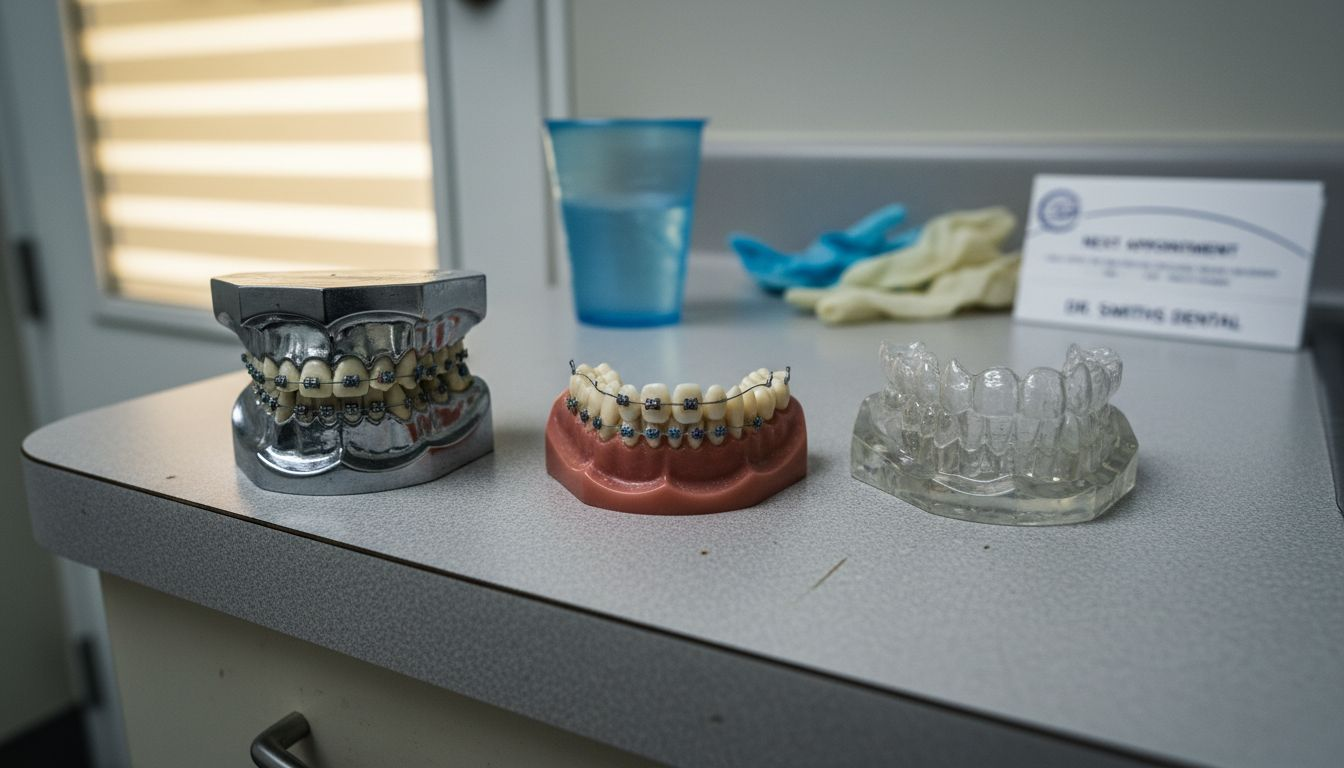
Here’s how common types of braces compare for patients:
| Braces Type | Visibility | Comfort Level | Typical Cost Range |
|---|---|---|---|
| Metal Braces | Most noticeable | Moderate | Most affordable option |
| Ceramic Braces | Less noticeable | Slightly higher | Higher than metal braces |
| Lingual Braces | Hidden from view | May irritate tongue | Most expensive option |
| Clear Aligners | Nearly invisible | Removable, comfortable | Varies by brand |
- Initial Assessment and Placement
- Active Treatment and Regular Adjustments
- Retention and Stabilization
The initial placement involves carefully attaching brackets or fitting aligners to create a customized treatment plan. During the active treatment phase, orthodontists make periodic adjustments to guide teeth into their desired positions, applying consistent pressure to encourage movement.
Selecting the right braces type depends on individual dental needs, lifestyle considerations, and aesthetic preferences.
The final retention stage is crucial, involving specialized retainers that help stabilize teeth in their new alignment and prevent potential regression. This phase ensures the long-term success of the orthodontic intervention.
Pro tip: Discuss all available braces options with your orthodontist to determine the most suitable treatment approach for your specific dental structure and personal preferences.
How Orthodontists Assess Readiness
Determining a child’s orthodontic readiness involves a comprehensive and detailed evaluation process designed to identify potential dental alignment challenges. Orthodontic diagnostic procedures require careful examination of multiple dental development factors to ensure optimal treatment timing and effectiveness.
Orthodontists conduct a thorough assessment by examining several critical components of dental development:
- Bite alignment and jaw positioning
- Tooth spacing and crowding
- Presence of permanent teeth
- Overall oral health conditions
- Potential genetic predispositions for dental misalignment
The initial evaluation typically involves advanced diagnostic techniques, including:
- Comprehensive visual examination
- Digital X-ray imaging
- Dental impressions and 3D modeling
- Detailed medical and family history review
- Functional assessment of jaw movement
Diagnostic precision is crucial in determining whether a child requires immediate intervention or can benefit from a monitoring approach. Some dental challenges may require early interceptive treatment, while others might be more effectively addressed during later developmental stages.
Orthodontic readiness is not a one-size-fits-all determination but a personalized assessment based on individual dental characteristics.
Professional orthodontists consider multiple factors beyond immediate dental alignment, including potential future growth patterns, skeletal development, and the psychological readiness of the patient to undergo orthodontic treatment.
Pro tip: Request a comprehensive initial consultation that includes detailed imaging and a thorough explanation of your child’s unique dental development trajectory.
Signs Your Child Might Need Braces
Parents often wonder about the subtle indicators that suggest their child might benefit from orthodontic intervention. Dental alignment signs can manifest through various physical and functional characteristics that warrant professional evaluation.
Recognizing potential orthodontic issues early requires understanding several key visual and functional indicators:
- Visibly crooked or overlapping teeth
- Difficulty biting or chewing food
- Unusual jaw positioning or movement
- Frequent accidental biting of cheeks or tongue
- Disproportionate facial symmetry
- Persistent breathing through the mouth
Professional orthodontists pay close attention to multiple diagnostic markers that suggest potential treatment needs:
- Tooth crowding or excessive spacing
- Misaligned bite patterns (overbite, underbite)
- Asymmetrical jaw development
- Speech impediments related to dental structure
- Abnormal tooth wear patterns
Functional challenges often accompany visual dental misalignments. Children experiencing jaw popping, consistent discomfort while eating, or challenges maintaining proper oral hygiene might require orthodontic intervention.
Early detection of dental misalignment can prevent more complex treatment requirements in the future.
Some children might display less obvious signs that only a trained professional can identify. Genetic factors, childhood habits like thumb-sucking, and early tooth loss can significantly impact dental development and potential orthodontic needs.
Pro tip: Schedule a comprehensive orthodontic screening by age seven to identify potential alignment issues before they become more challenging to treat.
Comparing Braces for Kids, Teens, Adults
Orthodontic treatment varies significantly across different age groups, with unique considerations and approaches for each developmental stage. Adult orthodontic options reveal complex challenges and opportunities that differ dramatically from pediatric treatments.
Each age group presents distinct orthodontic characteristics:
-
Kids (Ages 7-12)
- Most responsive bone development
- Faster treatment times
- Easier tooth movement
- Less complex intervention
-
Teens (Ages 13-19)
- Continuing bone plasticity
- Moderate treatment complexity
- Enhanced aesthetic concerns
- Increased self-consciousness about appearance
-
Adults (20+ Years)
- More established bone structure
- Slower metabolic bone remodeling
- Potentially longer treatment duration
- More sophisticated treatment planning
Key treatment differences emerge across age ranges:
- Biological responsiveness varies dramatically
- Psychological readiness impacts treatment approach
- Complexity of intervention increases with age
- Treatment duration fluctuates based on developmental stage
- Aesthetic preferences become more prominent in older patients
Physiological adaptability plays a crucial role in orthodontic success. Younger patients typically experience more rapid and predictable tooth movement, while adults might require more nuanced, personalized treatment strategies.
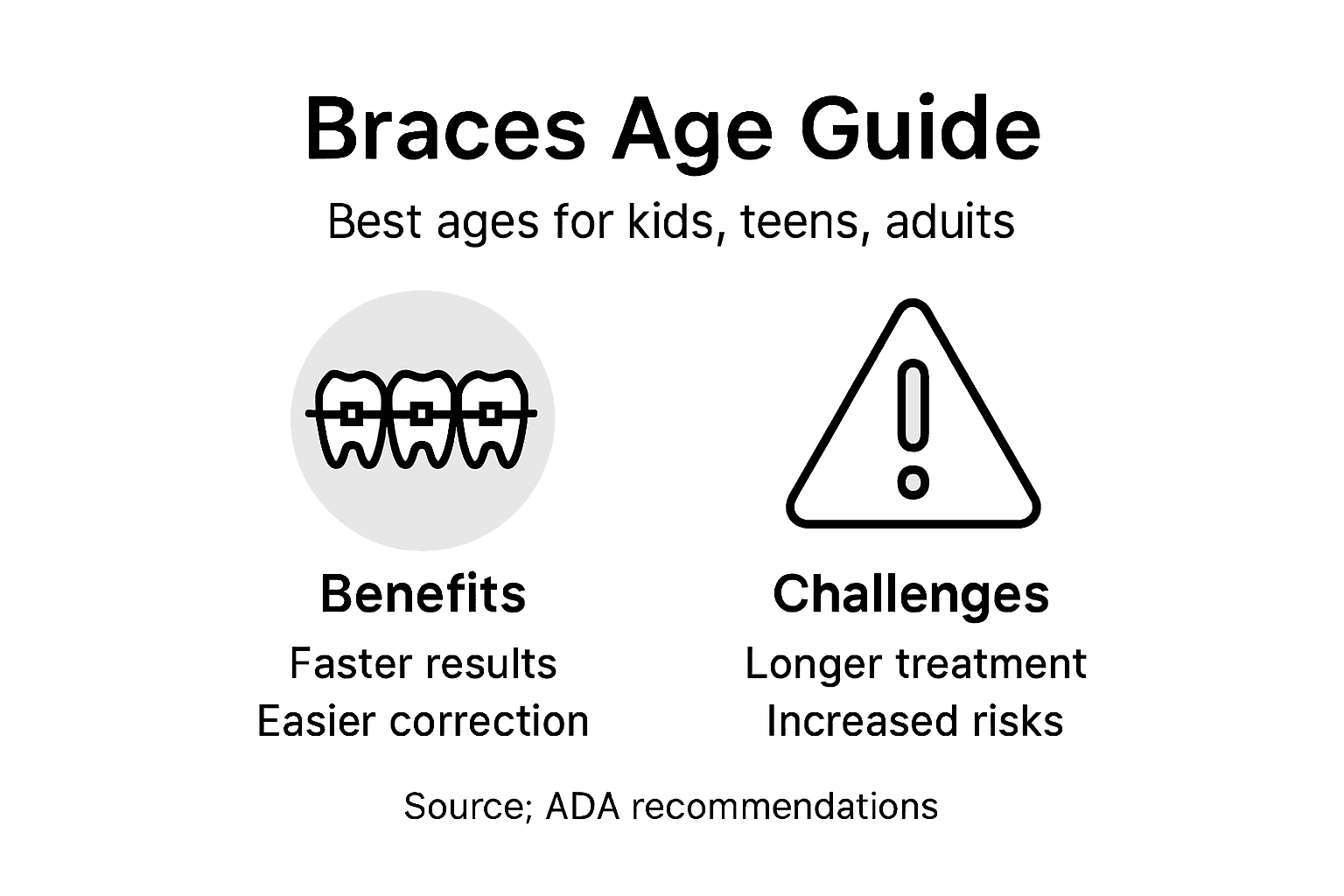
The following table summarizes age-related factors impacting orthodontic treatment:
| Age Group | Bone Responsiveness | Main Concern | Typical Treatment Duration |
|---|---|---|---|
| Kids | Highly adaptable | Growth guidance | Quickest phase |
| Teens | Still flexible | Aesthetics, self-image | Moderate length |
| Adults | Reduced plasticity | Treatment complexity | Often longest phase |
Orthodontic treatment is a highly individualized process that transcends age-based generalities.
Modern orthodontic technologies have significantly narrowed the treatment gap between different age groups, offering increasingly flexible and sophisticated solutions that can accommodate diverse patient needs and preferences.
Pro tip: Consult an orthodontic professional for a personalized assessment that considers your unique physiological and aesthetic requirements.
Risks of Delaying Orthodontic Treatment
Postponing orthodontic care can lead to far-reaching consequences that extend well beyond cosmetic concerns. Orthodontic treatment complications reveal a complex landscape of potential health risks associated with untreated dental misalignments.
The potential risks of delaying orthodontic intervention include multiple interconnected health challenges:
- Progressive tooth misalignment
- Increased risk of tooth decay
- Higher likelihood of gum disease
- Potential jaw joint complications
- Accelerated dental wear and tear
- Compromised oral hygiene capabilities
Specifically, untreated dental issues can manifest through several critical problems:
- Bacterial buildup in hard-to-clean areas
- Inflammation of gum tissues
- Abnormal tooth wear patterns
- Potential speech impediments
- Increased risk of periodontal disease
Biological consequences become more pronounced with time. Periodontal health risks demonstrate that delayed treatment can significantly complicate future orthodontic interventions, making corrections more challenging and potentially more invasive.
Procrastination in orthodontic care can transform minor alignment issues into complex, expensive treatments.
Adults face additional challenges, including slower tooth movement, increased treatment complexity, and potentially higher risks of root resorption. The biological responsiveness of periodontal ligaments diminishes with age, making timely intervention crucial for optimal outcomes.
Pro tip: Schedule a comprehensive orthodontic evaluation early to prevent escalating dental complications and minimize potential long-term treatment challenges.
Take the First Step Toward Your Child’s Perfect Smile
Choosing the right age for braces can feel overwhelming for parents who want the best care for their children. If you have concerns about your child’s tooth development or want to confirm if they are ready for orthodontic treatment, it is crucial to act early. At Glow Orthodontics, we understand the importance of early assessment starting around age seven so we can guide your child through personalized treatment options that align with their unique dental growth.

Discover how our caring team in Langley works closely with families to monitor bite alignment, jaw development, and teeth positioning. Our human-centered approach guarantees a warm office environment combined with the latest orthodontic solutions like braces and Invisalign to ensure the best outcome for your child’s smile. Don’t wait until minor misalignments become bigger problems. Schedule a consultation today at Glow Orthodontics to receive expert advice tailored just for your family’s needs. Visit Our Services to learn more and book an appointment that puts your child’s orthodontic readiness first.
Frequently Asked Questions
At what age should my child have their first orthodontic evaluation?
The American Dental Association recommends that children receive their first orthodontic assessment around seven years old to identify potential alignment issues early.
What is the ideal age for a child to get braces?
The optimal age for braces typically falls between 10 and 14 years old when children’s jaw structures and teeth are most responsive to corrective treatments.
What types of braces are available for my child?
Common types of braces include traditional metal braces, ceramic braces, lingual braces, and clear aligners. Each type has its advantages based on aesthetics and treatment needs.
What are the risks of delaying orthodontic treatment?
Delaying orthodontic care can lead to progressive tooth misalignment, increased risk of tooth decay, potential jaw joint complications, and accelerated wear on teeth, necessitating more complex future treatments.